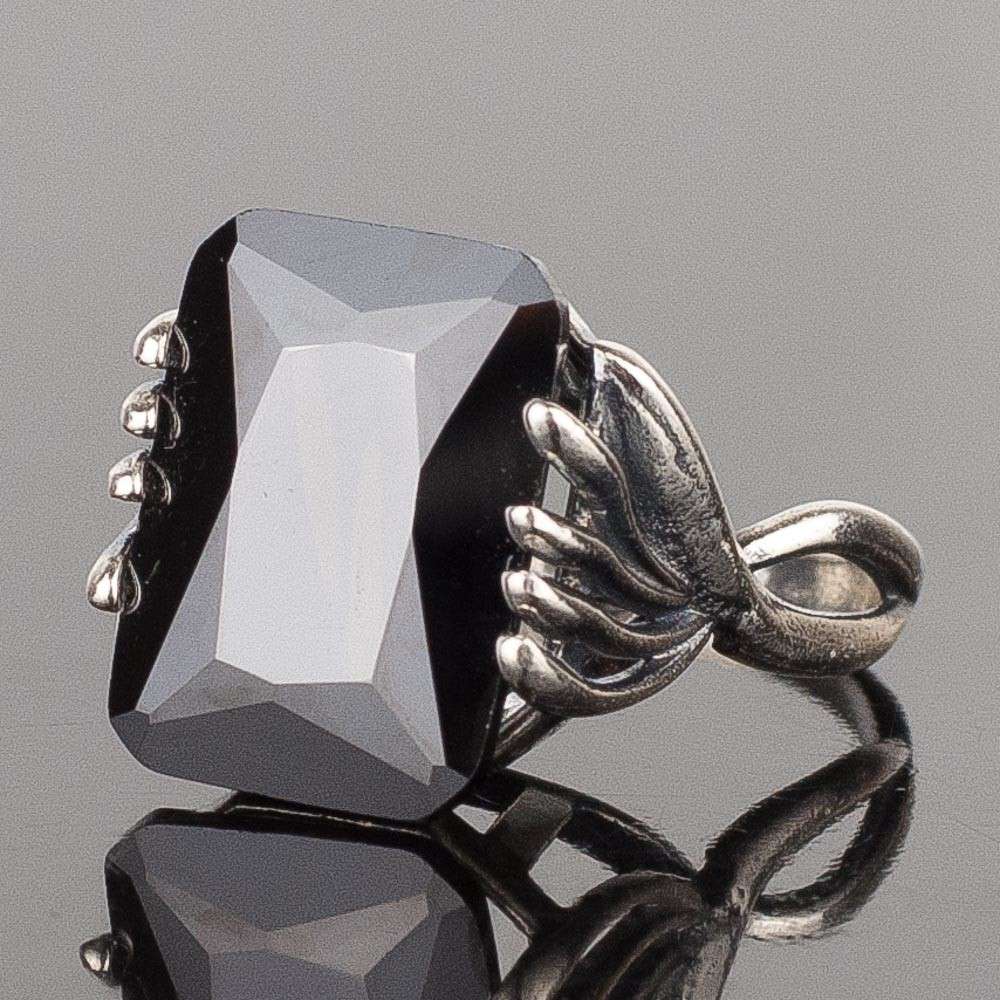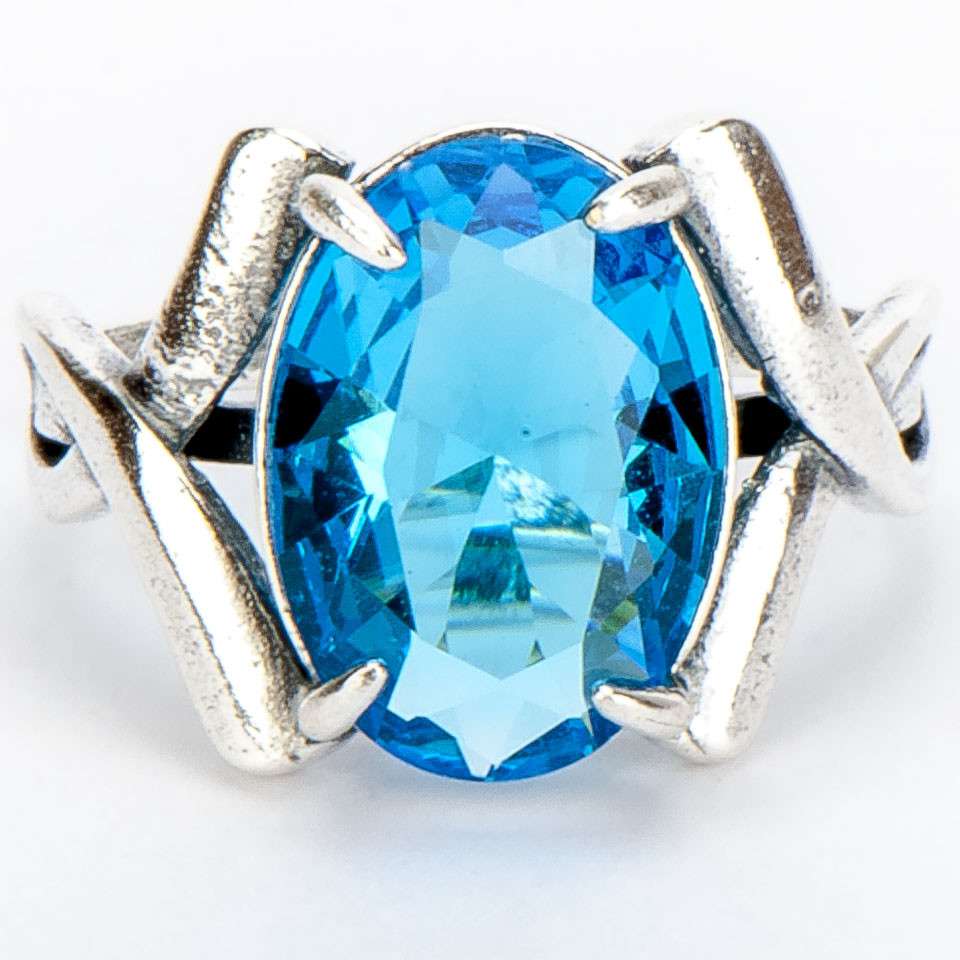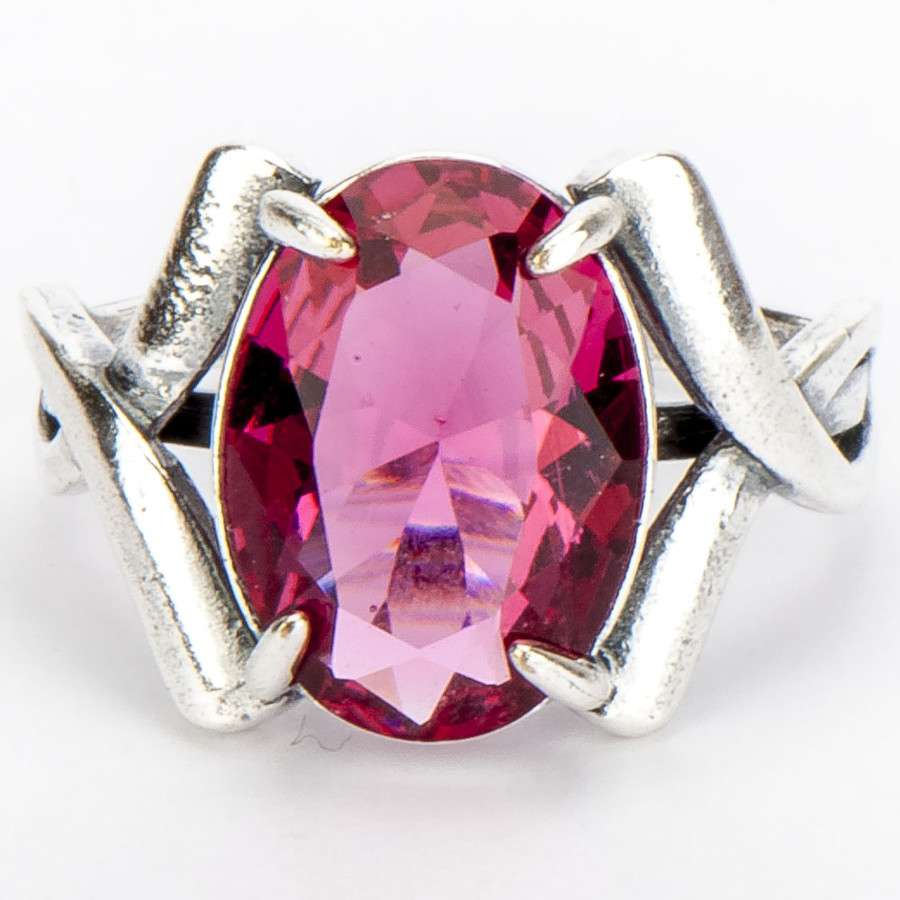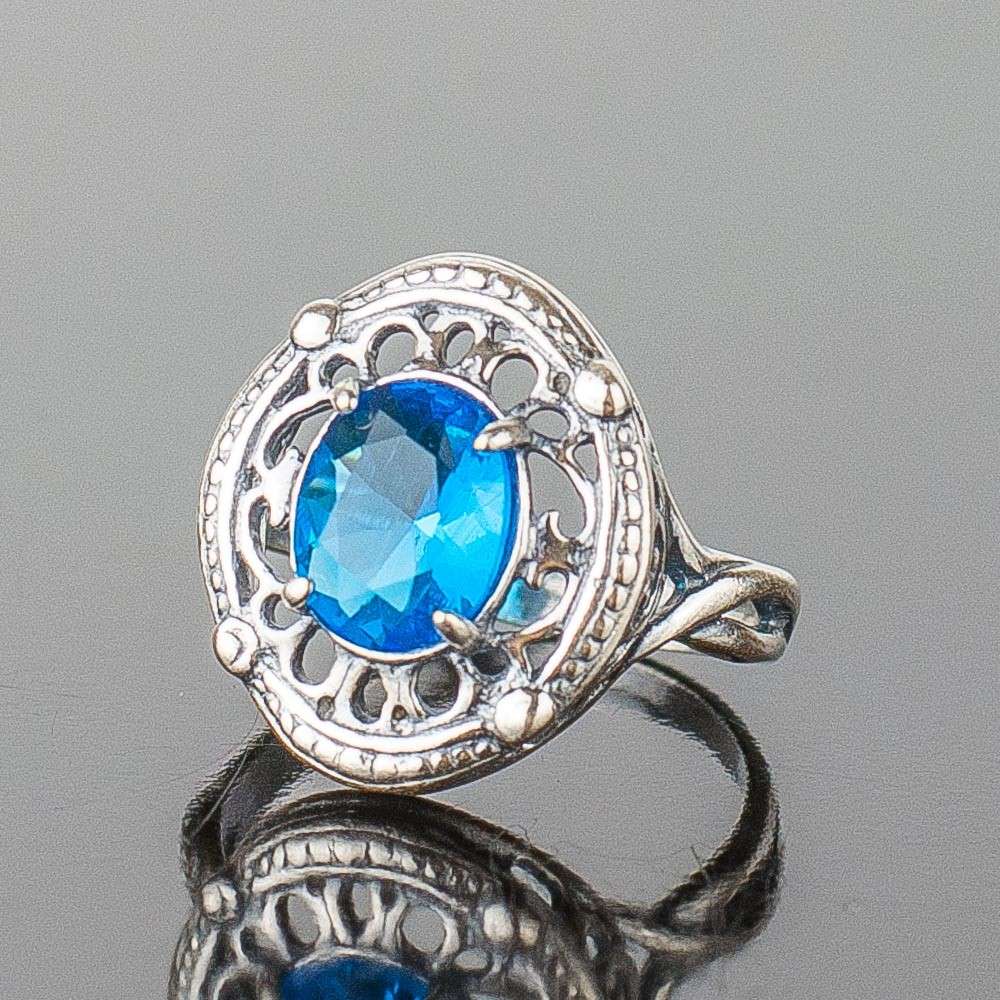
Fianite artificial stone - where it came from and how it is produced, a photo of the mineral, how to distinguish it from a diamond, stone care
Fianite differs from other known stones, its main feature is its artificial origin. In the early 1970s, cubic zirkonia created a sensation among jewelers, as unusually large and clean diamonds appeared on sale in Europe, but no new deposits were found. Later it was found that they were artificially created, and their country of origin was the USSR
Origin of cubic zirconia
In the 60s at the Physical Institute of the Academy of Sciences of the USSR. P.I. Lebedev developed a material for one of the laser elements with certain characteristics. During the experiments, cubic zirconia appeared, which was initially considered a marriage, most of it was thrown away, and the employees took small shiny pebbles as souvenirs. Later, enterprising people in clandestine laboratories again created this crystal and cut it, the artificial stone turned out to be a copy of diamonds.
Because of fake stones, a scandal broke out and a criminal investigation, the traces of which led to the USSR. The artificial crystal was named cubic zirconia in honor of the institute where it was invented (FIAN - these are the first letters of this institution), this name is common in our country and the former republics of the USSR.In Europe, the name zirconite is common, in America they produce a stone similar to cubic zirconia, but they call it daimonsk, in Switzerland an artificial diamond is called dzhevalit.
It is believed that cubic zirconia does not exist in nature, but in 1969, after the creation of an artificial crystal, geologist Konev discovered a new mineral - tazheranite. This is a natural analogue of cubic zirconia, a natural mineral looks like inclusions in the rock of orange-red color.
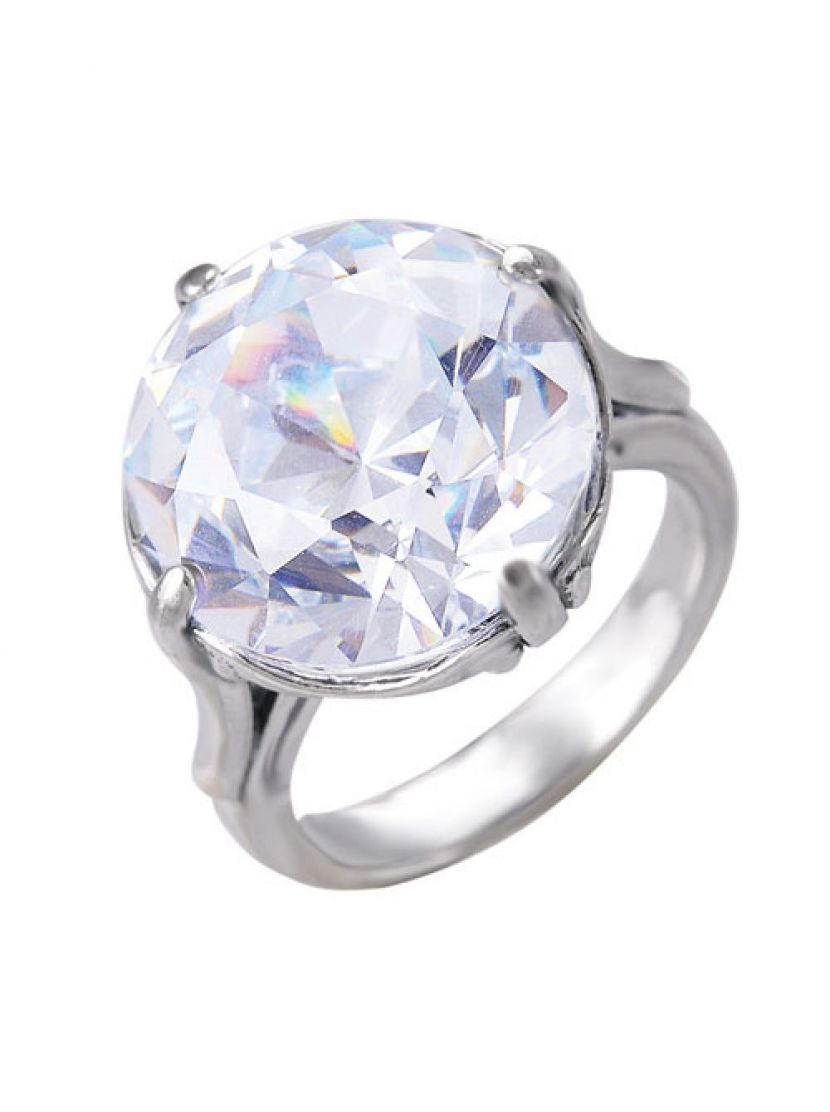
Cubic Zirconia is used not only in the jewelry industry, it is actively used in dentistry (to create ceramics), in optics - for the production of lenses.
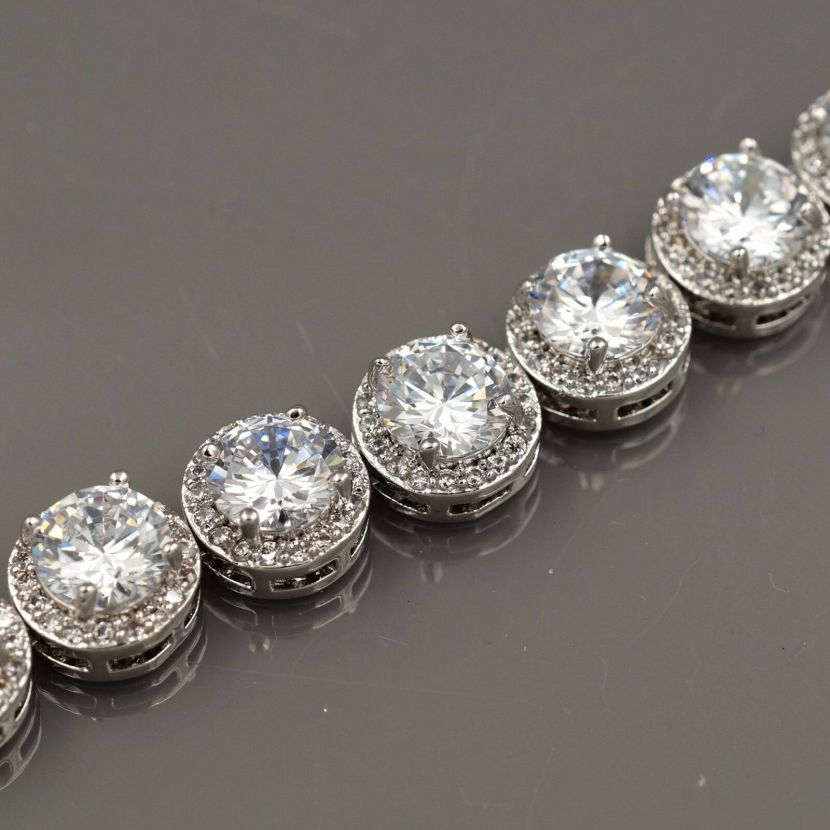
Stone properties
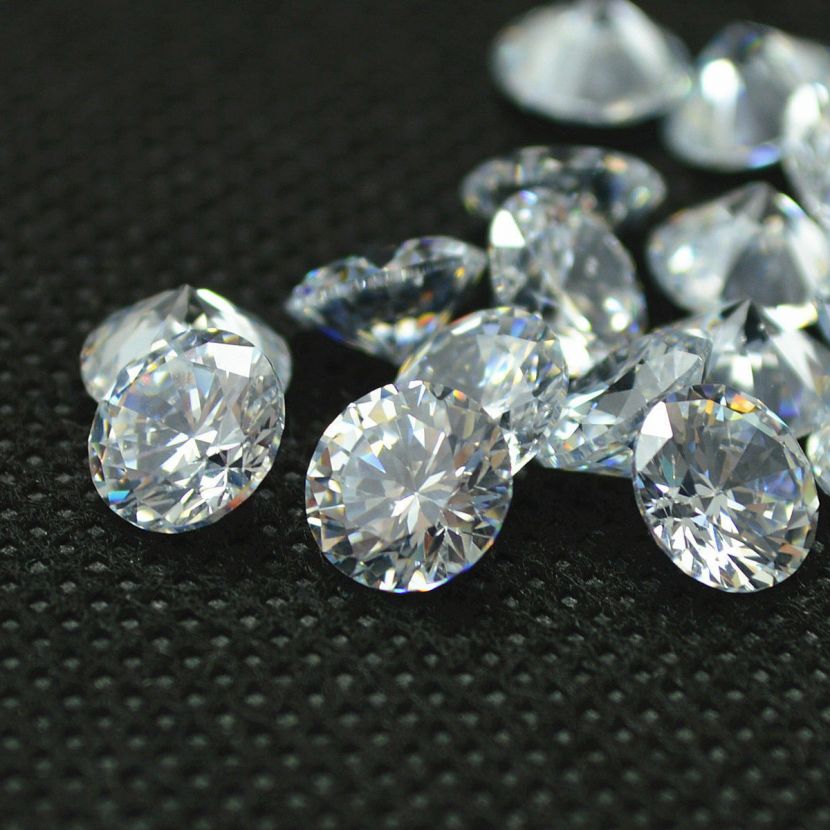
Cubic zirconia looks very similar to diamond, but not all of its qualities 100% repeat the characteristics of natural stone.
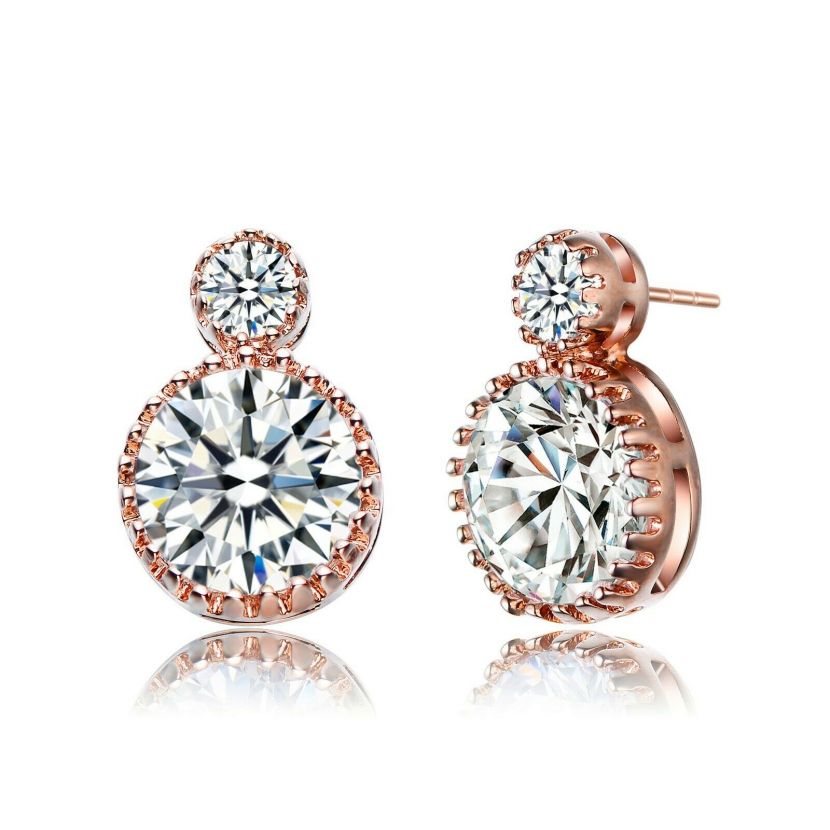
Physico-chemical
Zirconia stone, like any substance, has a number of properties. Chemical composition - cubic zirconium dioxide. The density and weight of a synthetic stone is greater than that of a natural diamond of the same size, but its hardness is much lower. If, after cutting, the hardness of a natural diamond on the Moss scale is 10 points, and that of an artificial one is about 8.
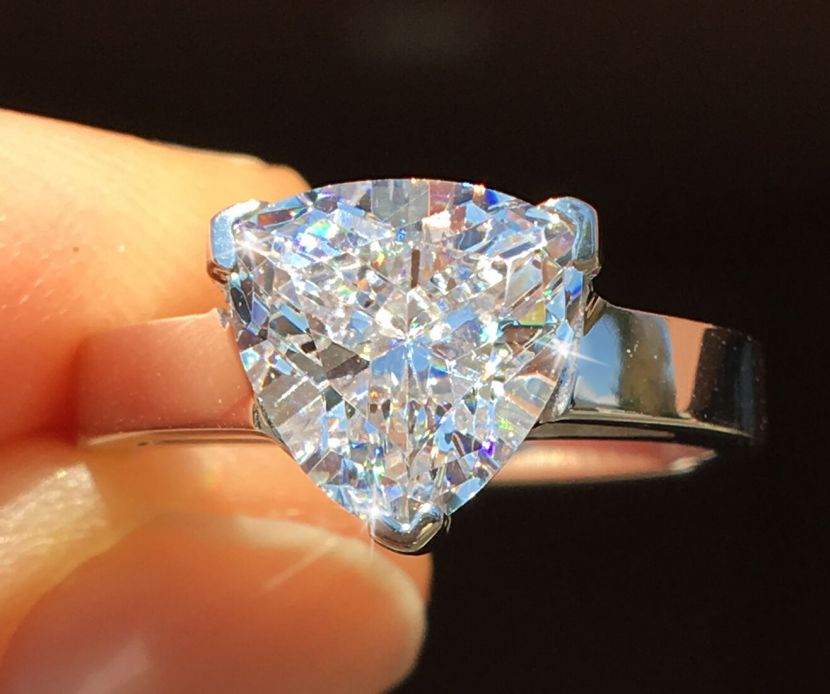
The melting point of cubic zirkonia is also lower than that of diamond (2700 oC versus 4000 oC).
Therapeutic
Due to the artificial origin of the stone, it is believed that it does not have healing properties, unlike natural counterparts. However, some owners of this semi-precious stone claim that it improves their well-being. Perhaps a beautiful decoration simply cheers up the owner, which improves his well-being, or is it just self-hypnosis.
magical
In the magical world, the stone is also not very popular because of its origin, however, some esotericists use the crystal as a talisman.It can be filled with positive energy and activated, so your favorite jewelry can become a talisman that protects you from troubles and failures. For this reason, esotericism is recommended to monitor your thoughts and intentions while wearing jewelry with this mineral and be sure to remove it during a period of illness or stress. Thanks to this unusual property of cubic zirconia, it suits many people.
Zodiac signs
Due to its synthetic origin, cubic zirconia stone is suitable for all signs of the zodiac, as it does not have high energy. Some astrologers believe that it suits Aries best of all, so it can pacify the ardor and stubbornness of the sign. But when buying jewelry, it is better to choose the color of the corresponding element of the sign: for Cancers, Pisces and scorpions - all shades of blue; Sagittarius, Aries and Leo - red; Aquarius, Gemini, Libra - yellow tones; Taurus, Virgo, Capricorn - black and green stones.
Zirconia production
For the production of cubic zirconia, it is necessary to melt the raw material (zirconium oxide), but the melting point of this substance is 2700 ° C, no refractory material can withstand such heating: it begins to melt or react with the raw material. Therefore, the raw material itself serves as a container for melting. Using copper tubes and water, I keep the temperature of the outer surface of zirconium oxide equal to room temperature, and the center is heated to the desired 2700 ° C. Thus, the molten substance is obtained surrounded by a solid shell of the same zirconium oxide, in metallurgy such a shell is called a "skull".
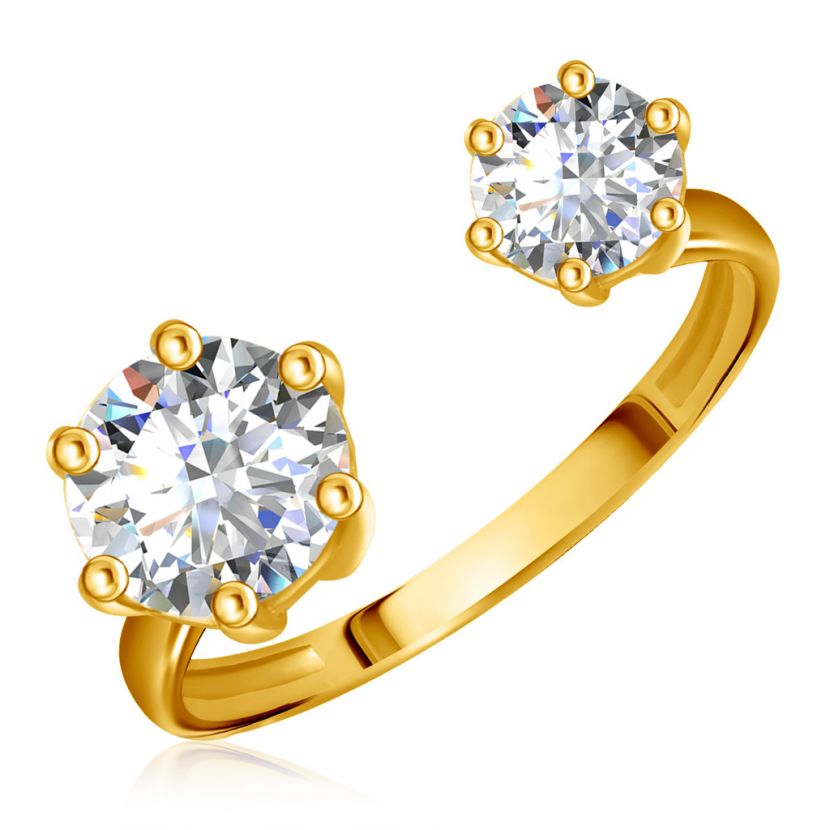
With the help of a high-frequency generator, energy is supplied through an inductor to the center of the raw material until all the substance is melted, with the exception of thin walls, which are cooled to room temperature.To maintain the homogeneity of the medium, the mixture is kept molten for several hours, then the energy power is gradually reduced and crystallization begins.
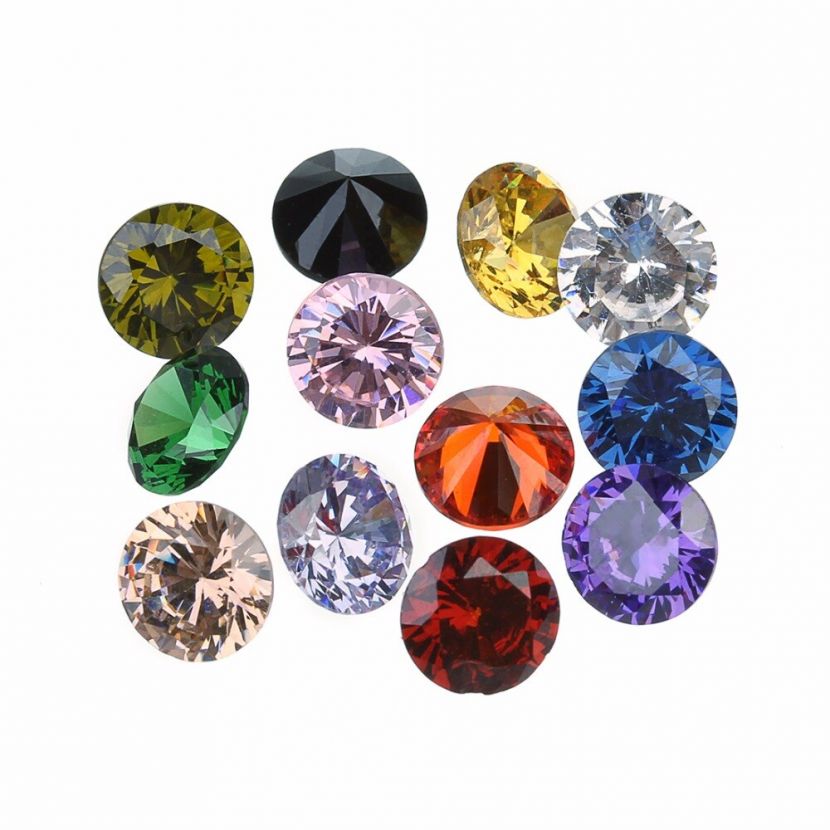
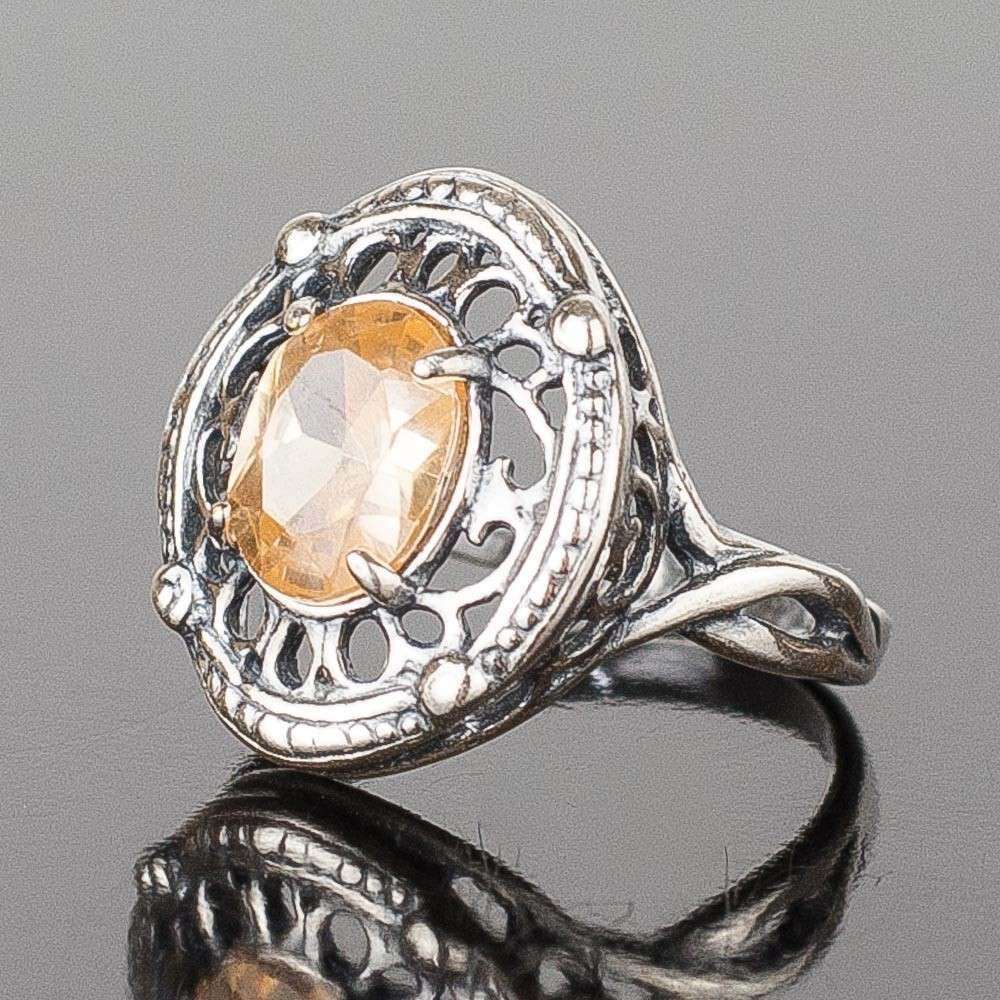
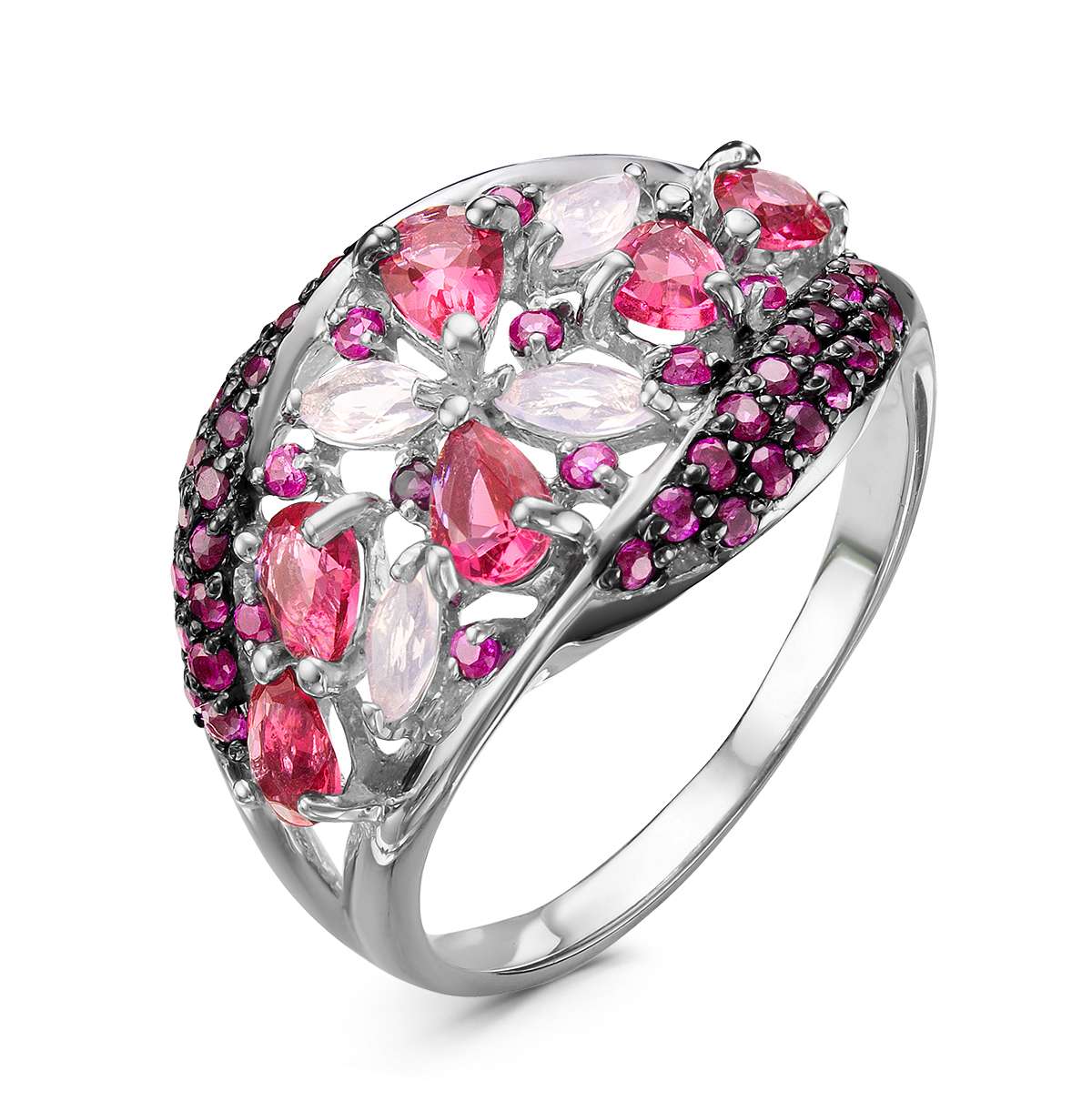
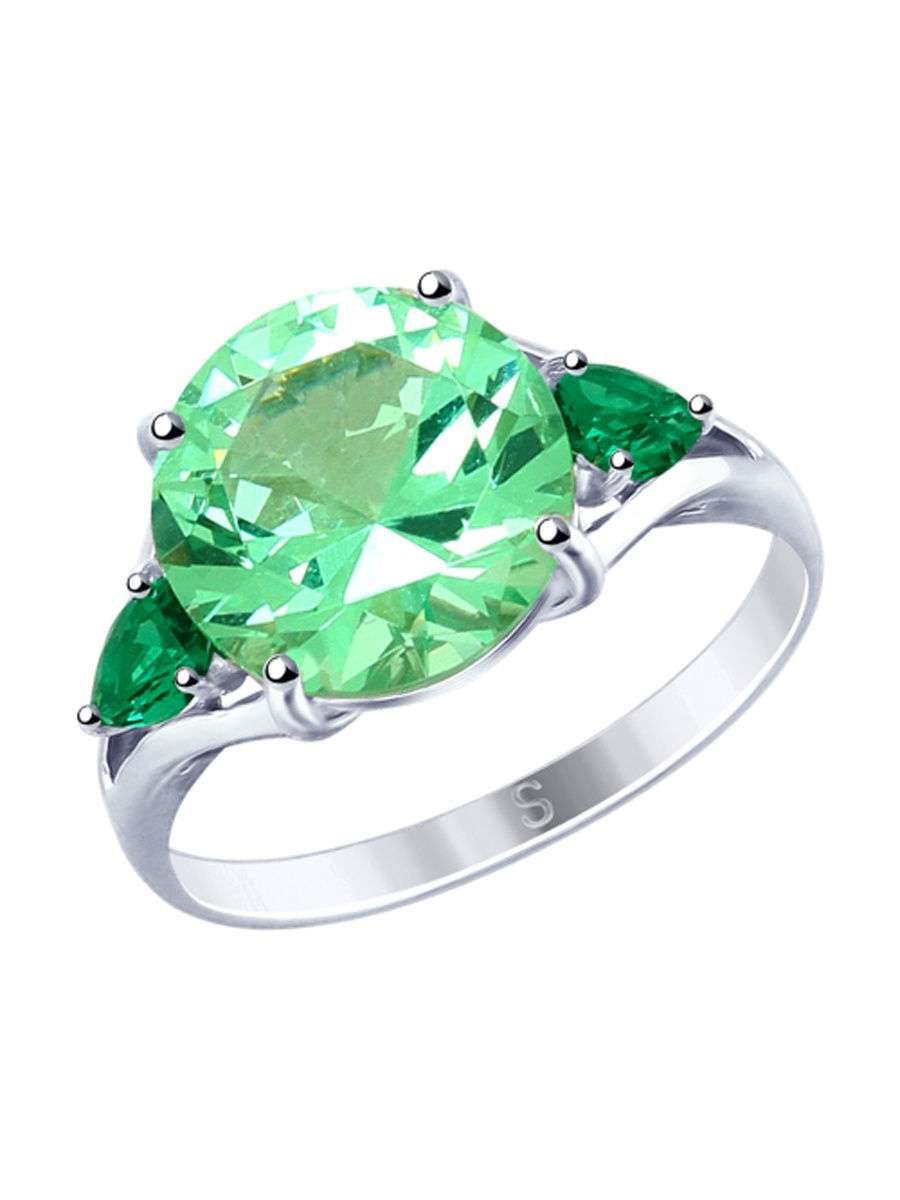
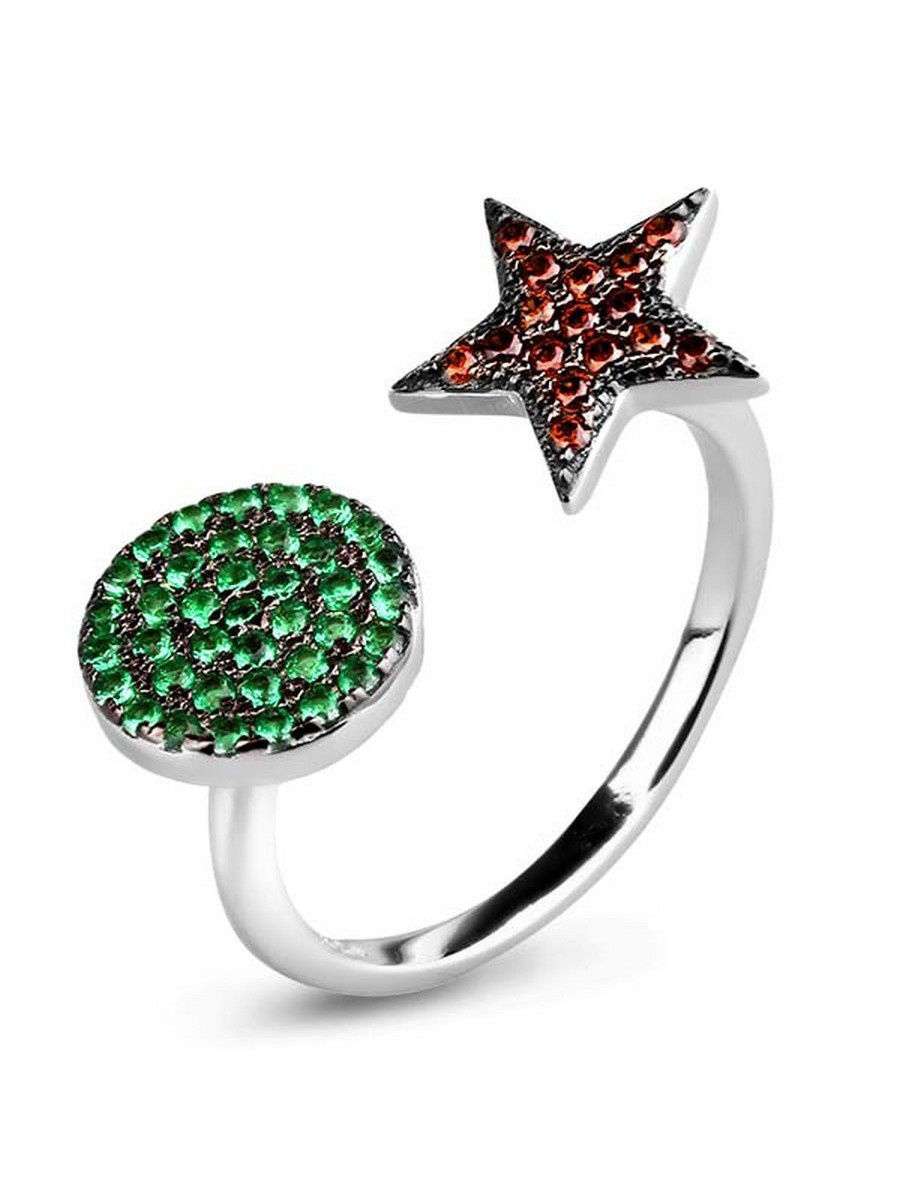
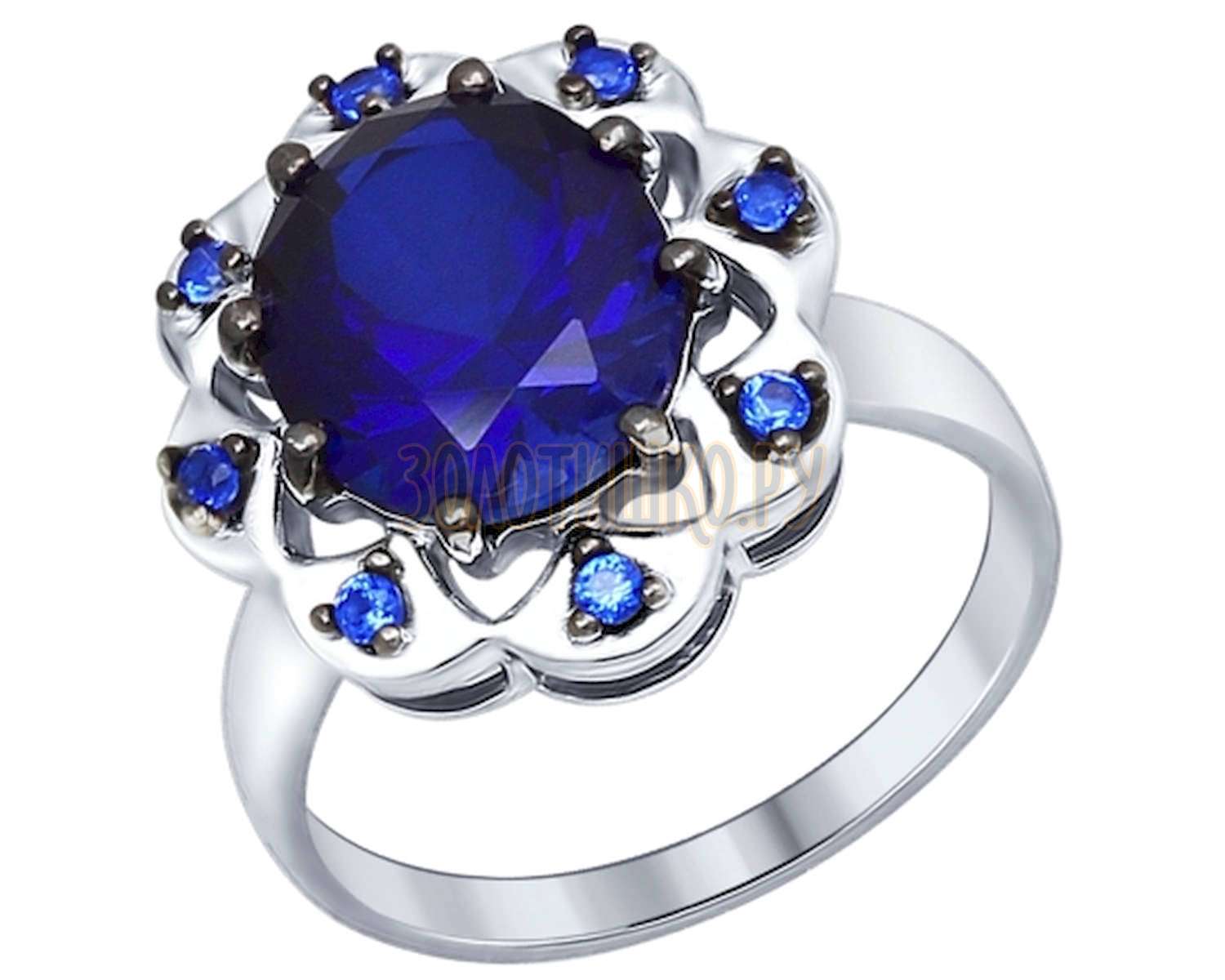
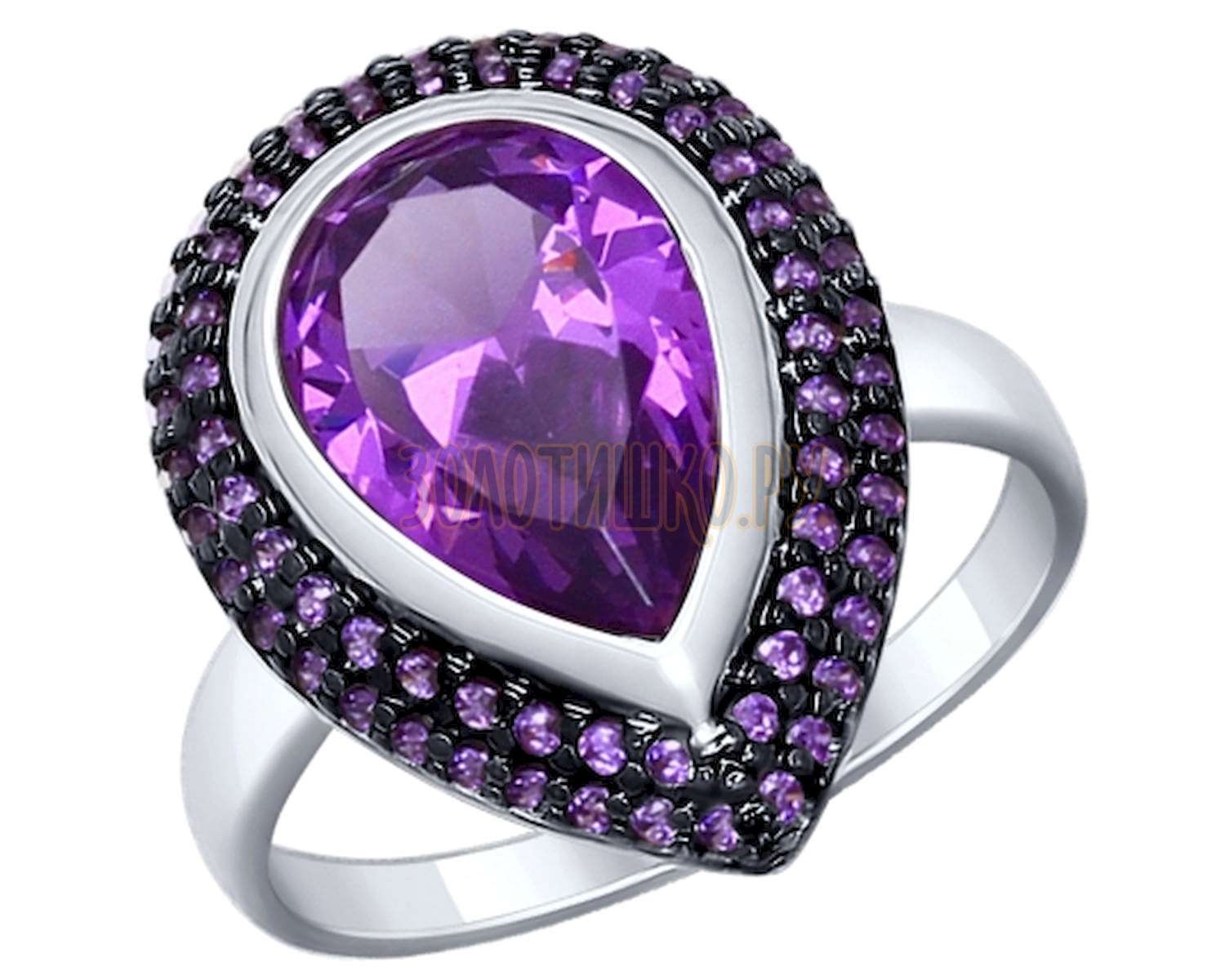
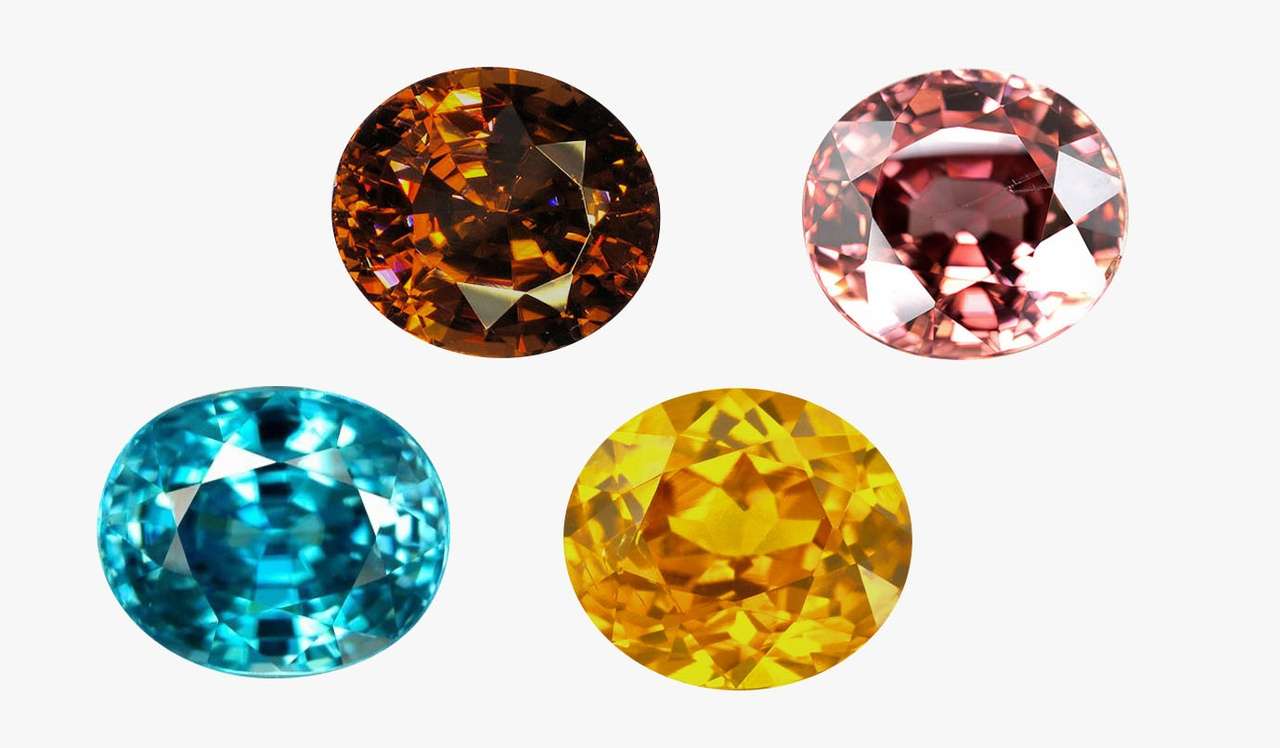
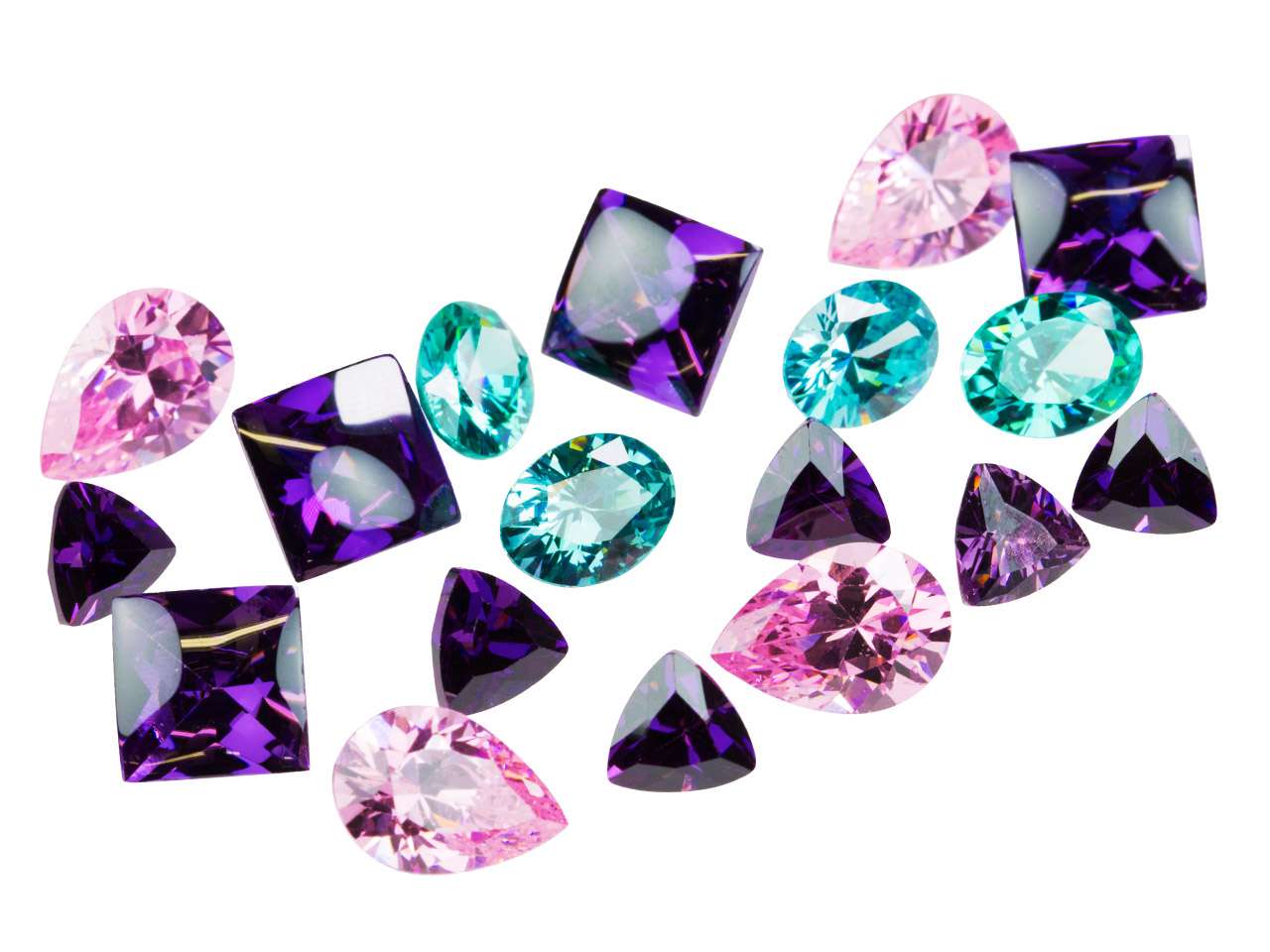
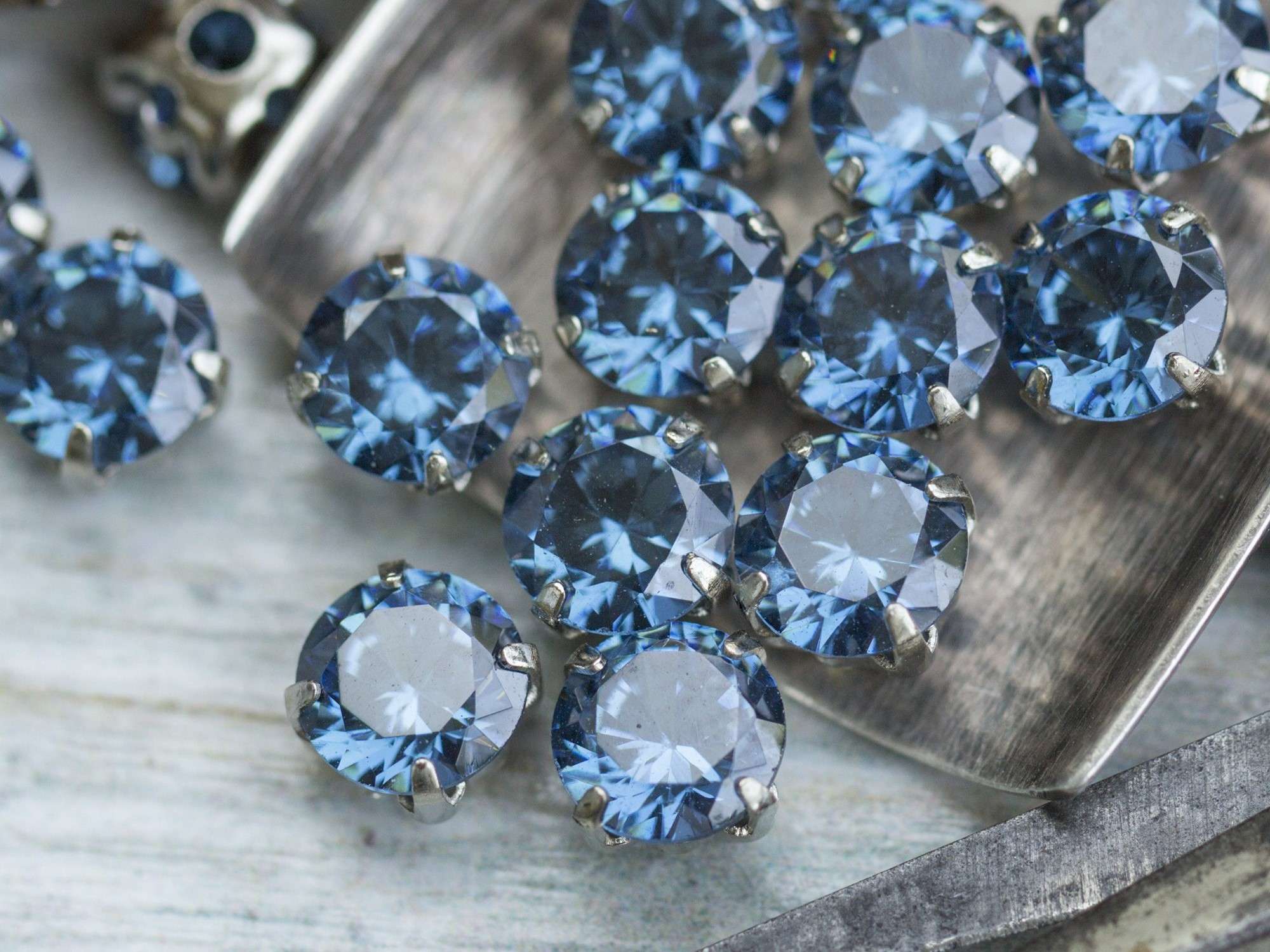
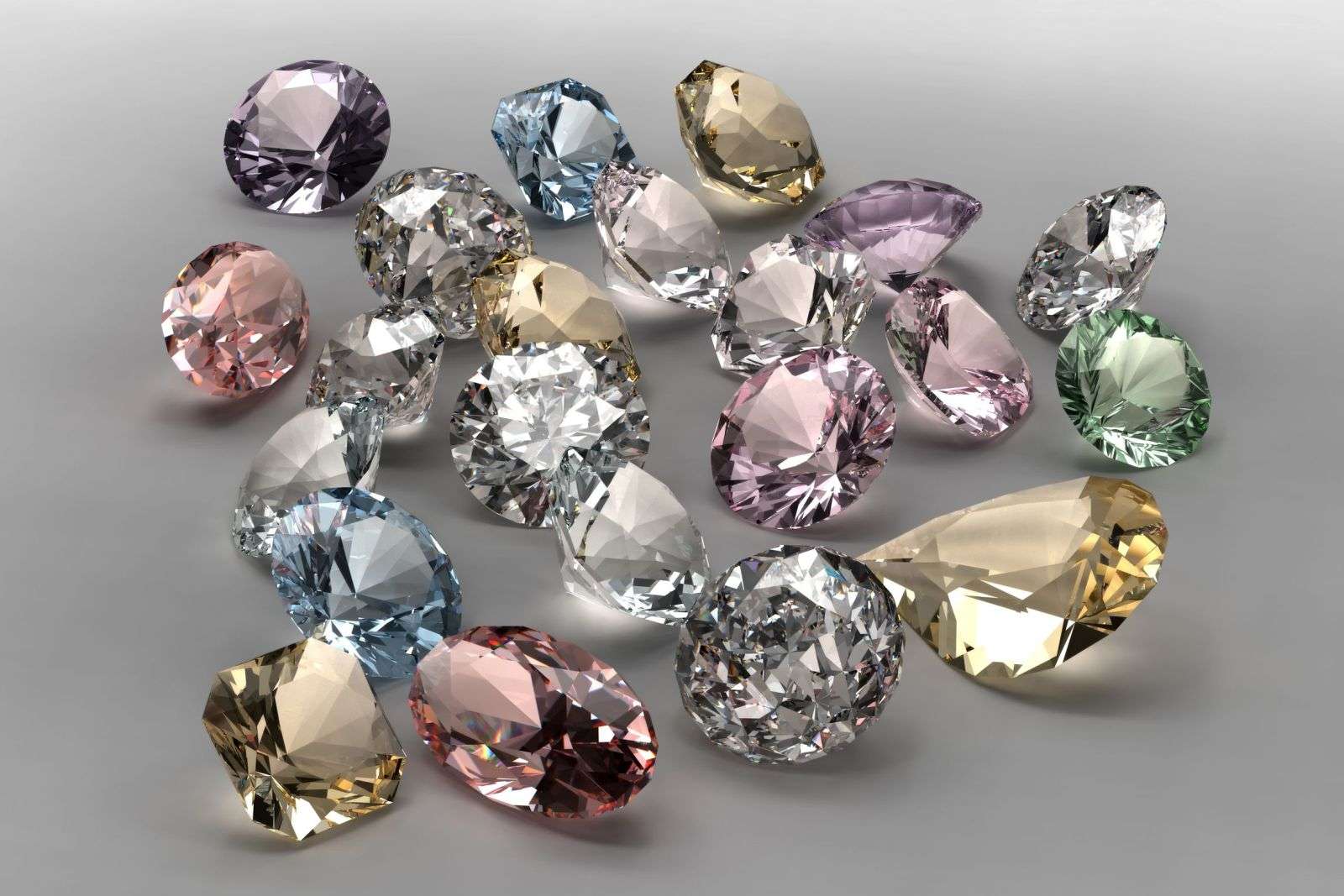
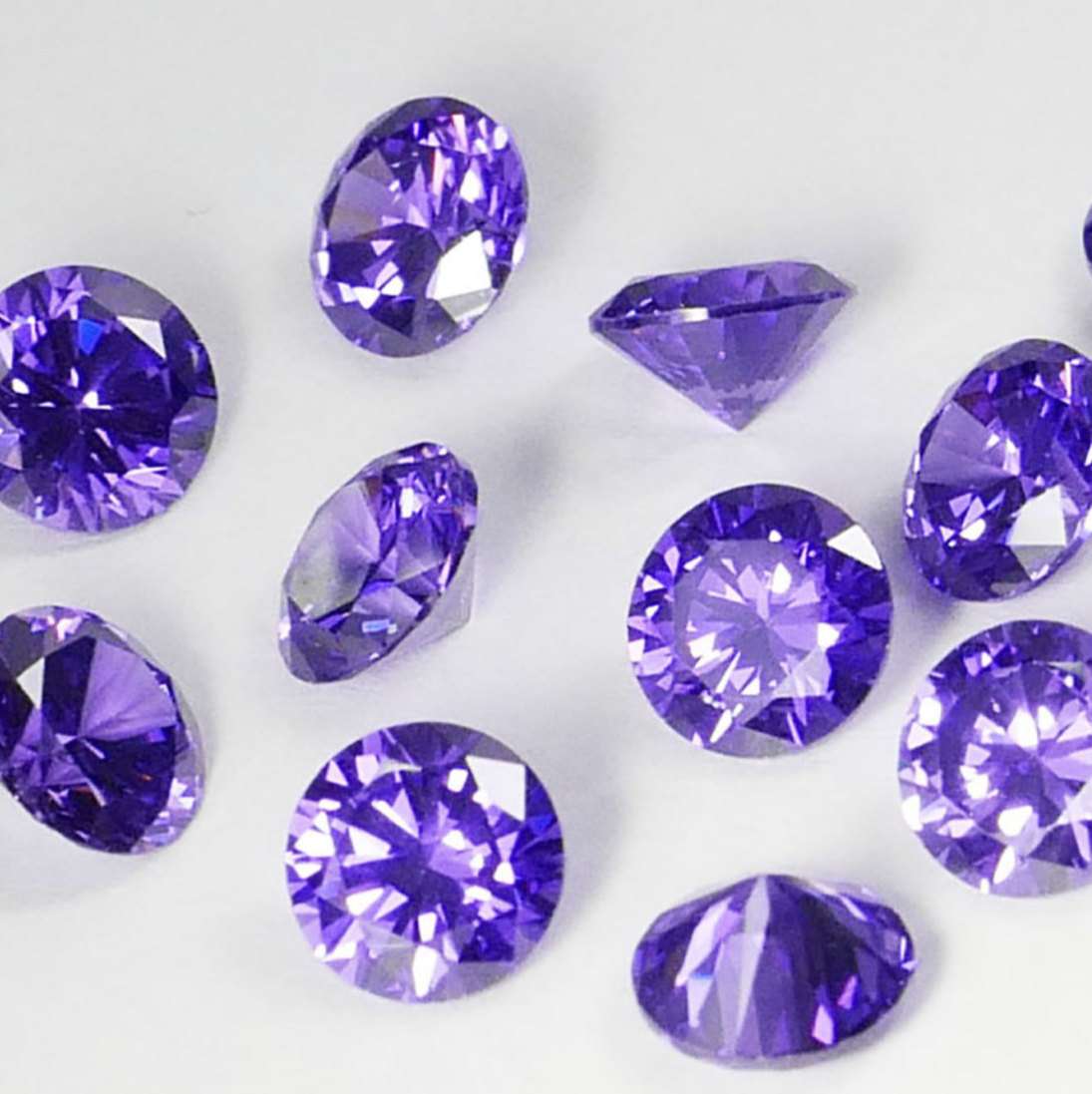
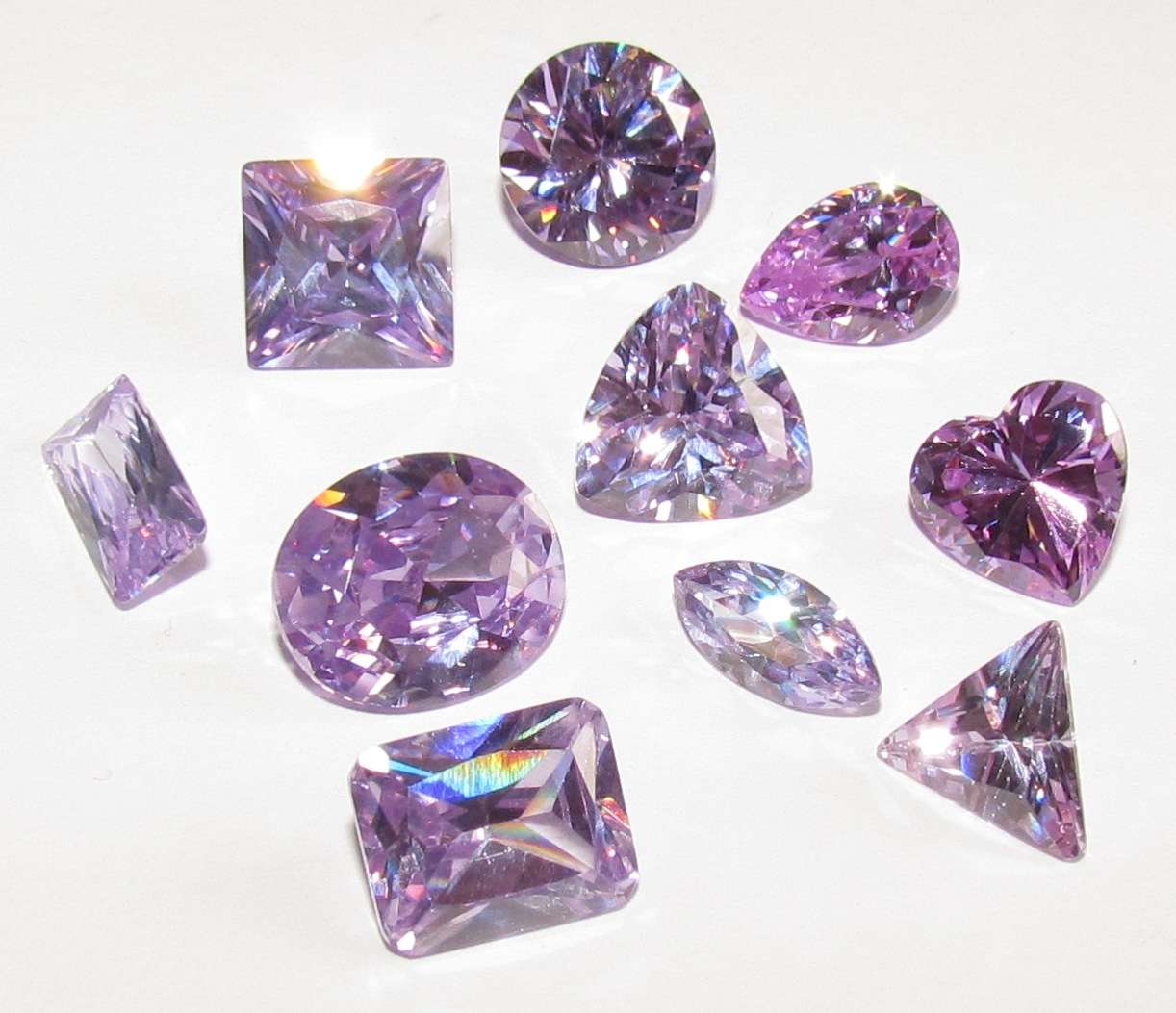
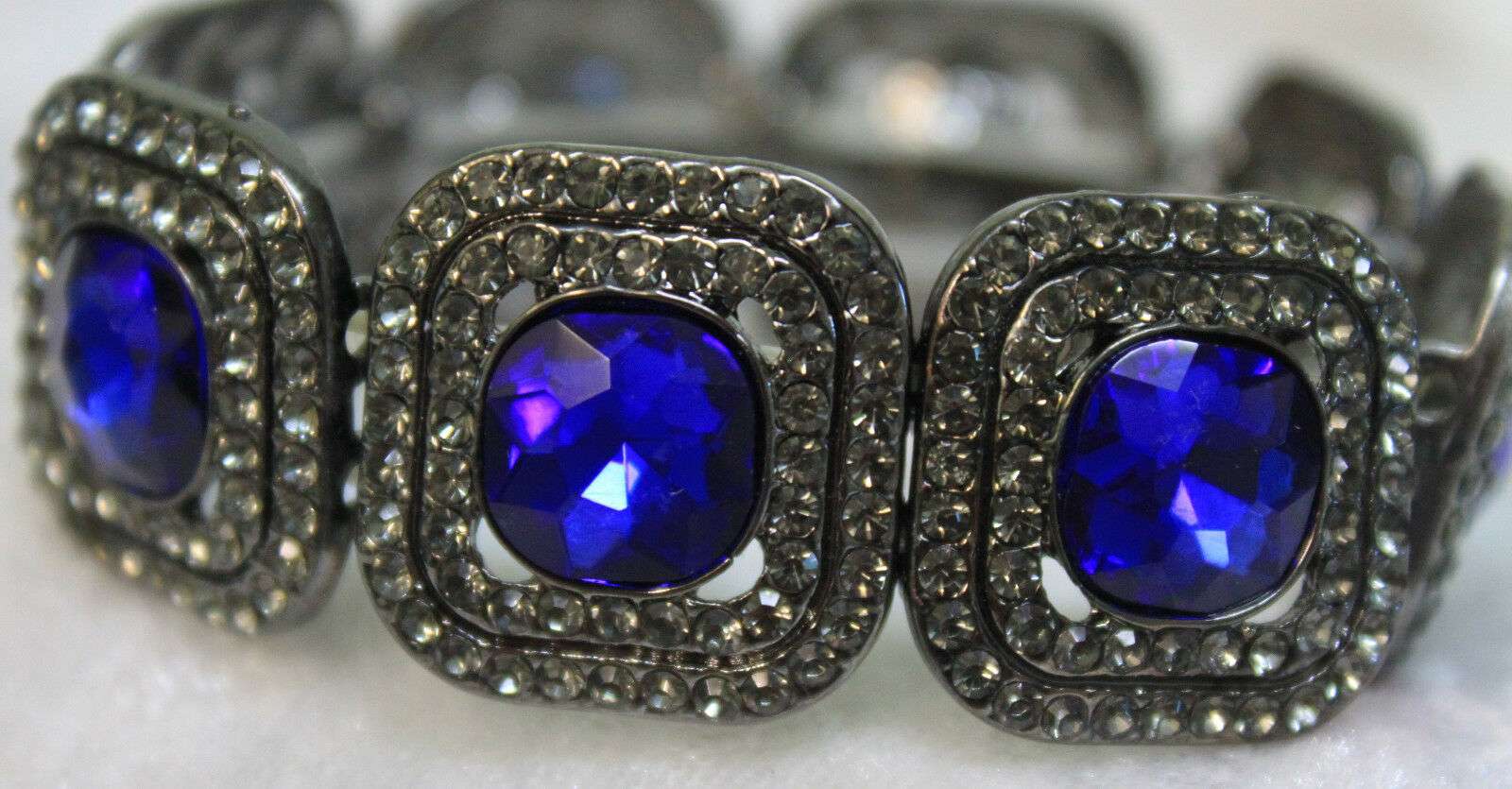
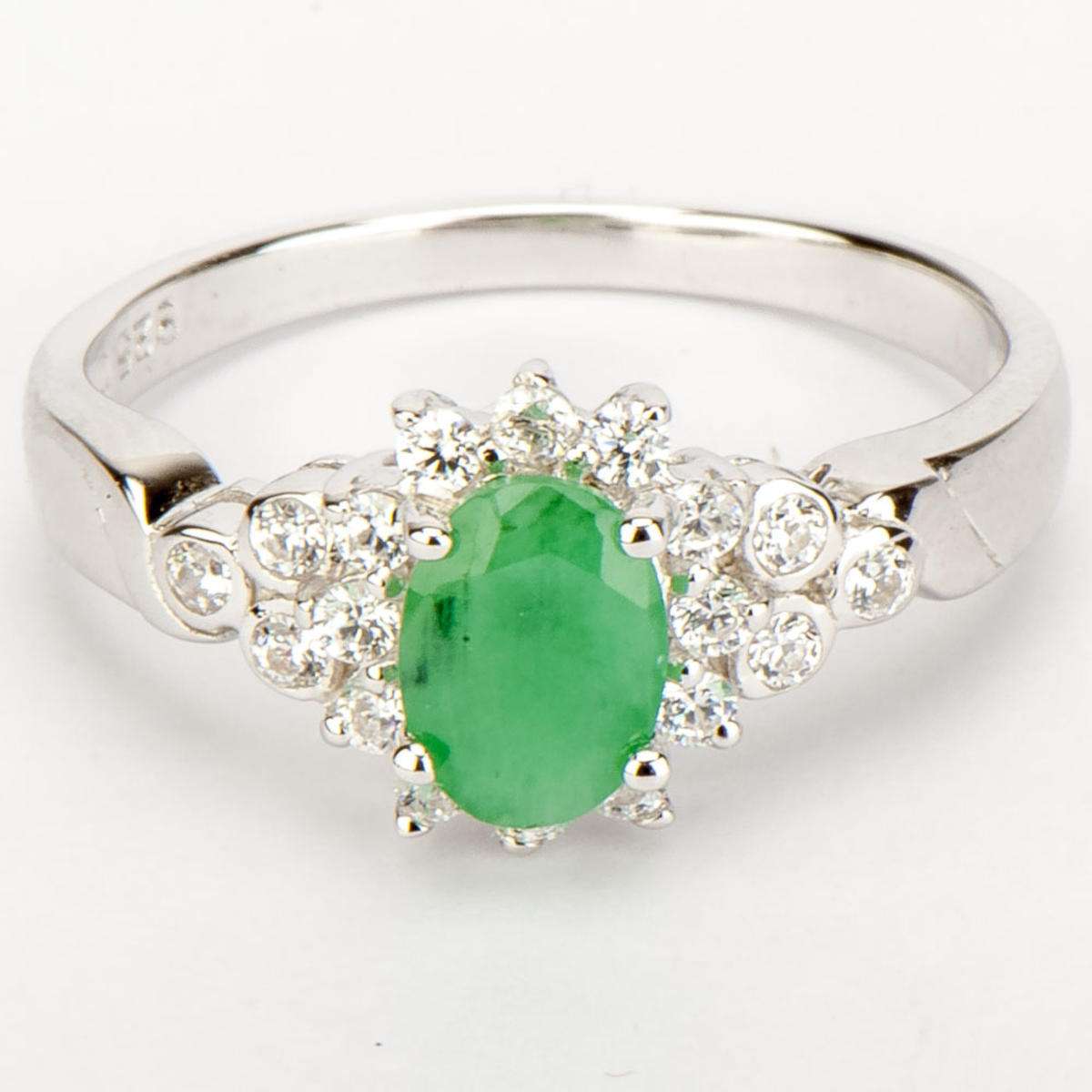
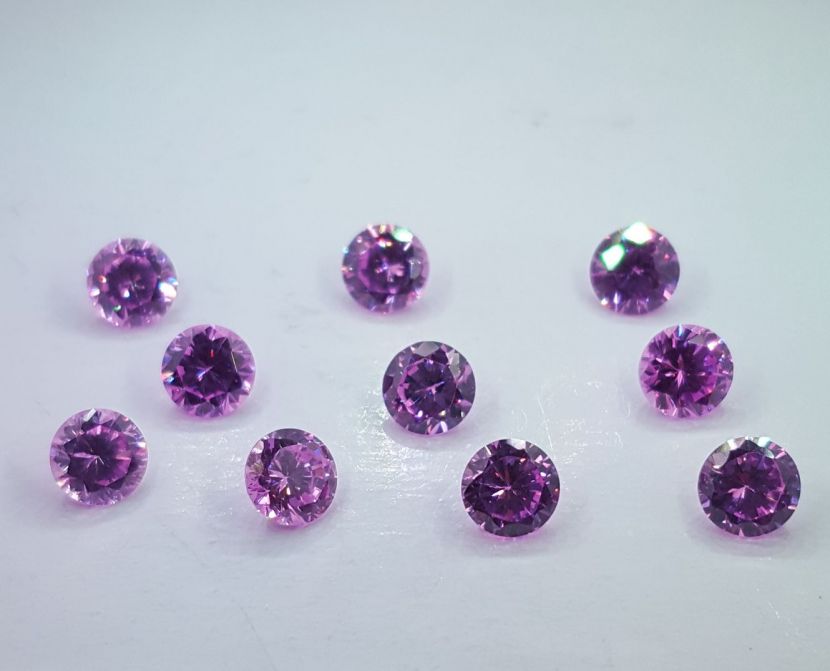
After complete cooling, short-columnar crystals appear to prepare them for cutting, impervious to relieve stress by annealing. The first crystals were up to 2 cm in size, but today manufacturers can create single crystals weighing up to 4 kg. Standard cubic zirconia is colorless, but today they can produce crystals of various colors, which allows you to create an imitation of natural stones. To create a color, a base substance is added to the melt: for yellow - copper, brown - titanium, pink - erbium, green chrome, etc. Today there are more than 20 colors, 2-color crystals or imitation alexandrite are also possible.
Caring for products with cubic zirkonia
In order for your favorite jewelry to please the owners for a long time, it is necessary to properly store and care for them.
Storage rules
- The artificial crystal is sensitive to chemicals. Therefore, during cleaning, especially if you use chemicals, jewelry should be removed. For the same reason, it is better to wear jewelry after applying makeup.
- Beware of mechanical impact on the stone, as it is quite fragile and easy to scratch.
- Protect jewelry from dust, be sure to wipe them with a soft cloth.
- It is best to store jewelry in a dry and dark place without temperature fluctuations. If these conditions are not observed, the jewelry glue may deteriorate and the cubic zirkonia will fall out.
- Ideally, if each product has its own storage place, protected from direct sunlight and high temperatures.
Cleaning Zirconia Jewelry
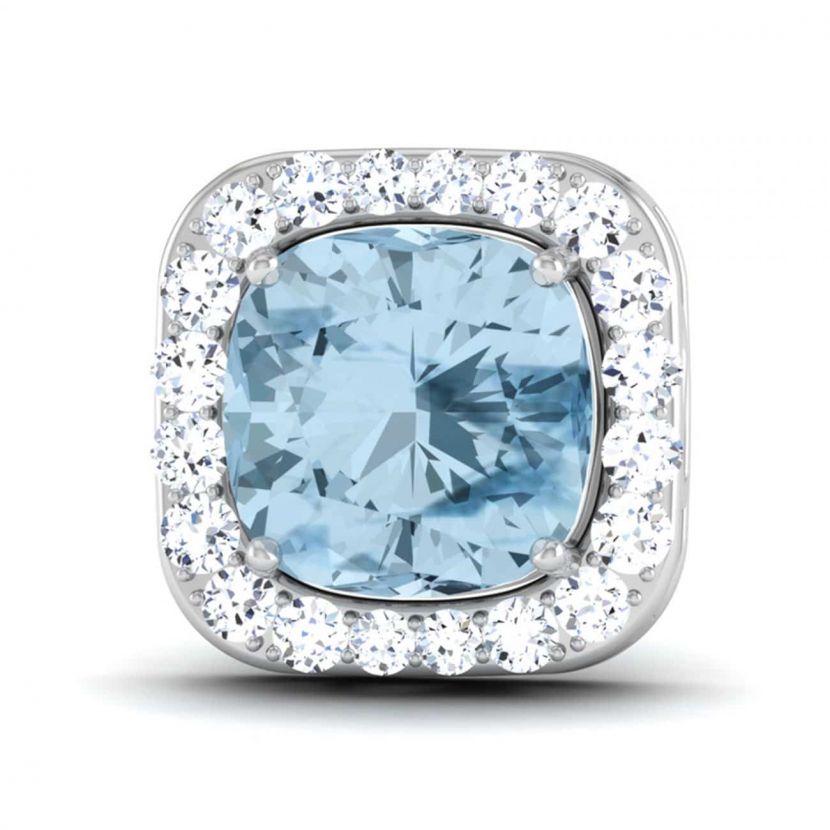
In order for the crystals to please the owner with their brilliance, it is necessary to clean once a month. The easiest option is to take the jewelry to a jewelry store, where professionals will quickly and efficiently clean the products. But you can do it at home too. With a brush and toothpaste or soap solution, you can clean the jewelry, and flannel and cotton wool will perfectly polish. Also, cleaning can be done with a solution of ammonia (1 to 6), jewelry is placed in liquid for several hours, then washed with water and wiped with a napkin.
How to distinguish a diamond from cubic zirconia
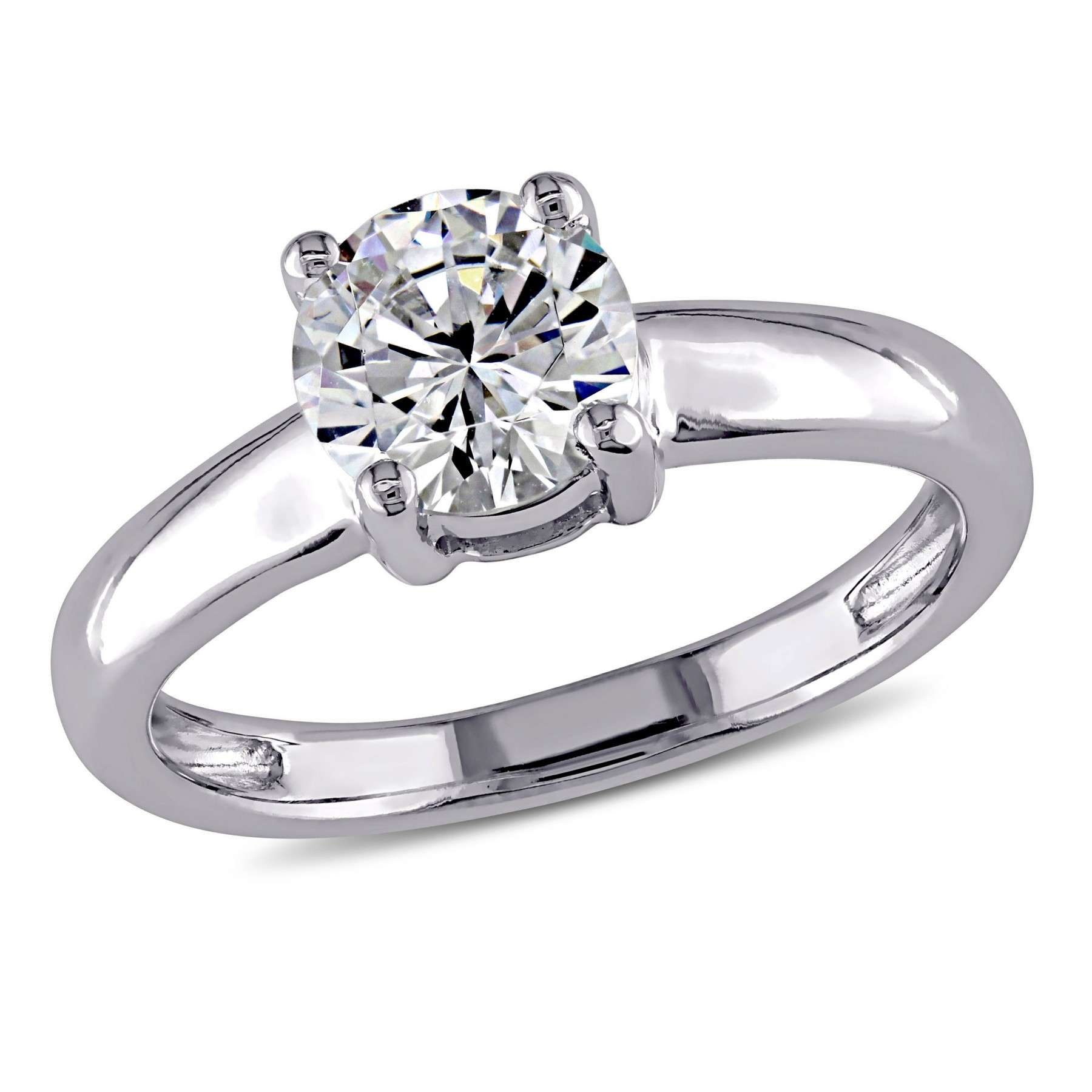
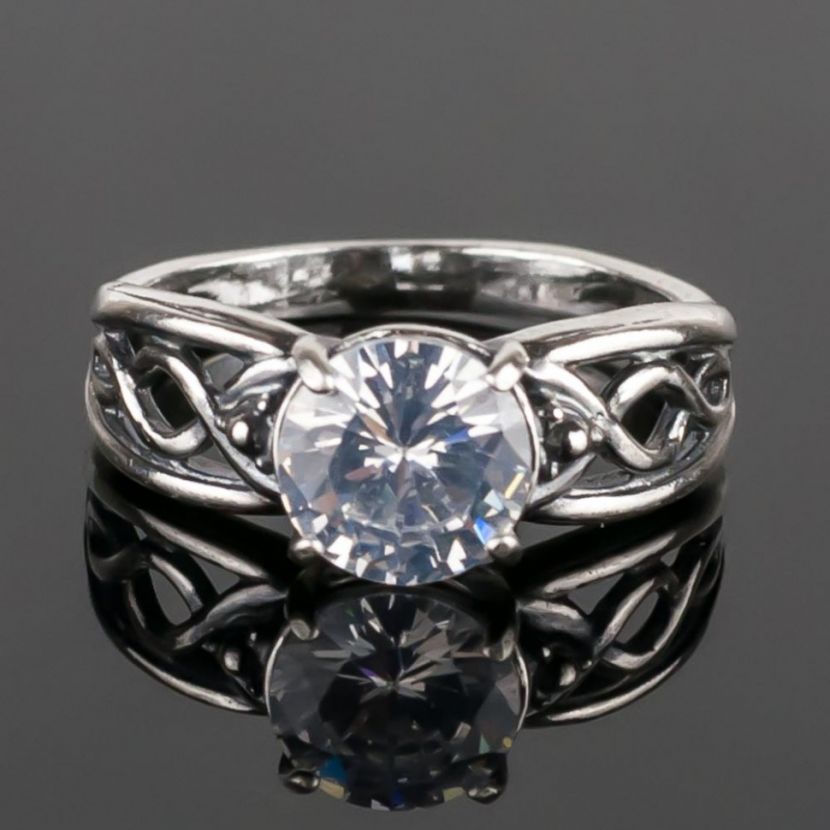
An artificial crystal is very similar to a diamond, but its cost is much lower than its natural counterpart, so before making an expensive purchase, you need to make sure that the stone is genuine. The most important thing is to buy stones in trusted jewelry stores, with the necessary set of documents and certificates, since it is quite difficult for an inexperienced buyer to determine a natural stone or a synthetic fake. Many jewelry stores have special devices that, by evaluating the thermal conductivity of a stone, can distinguish a natural diamond from a fake.
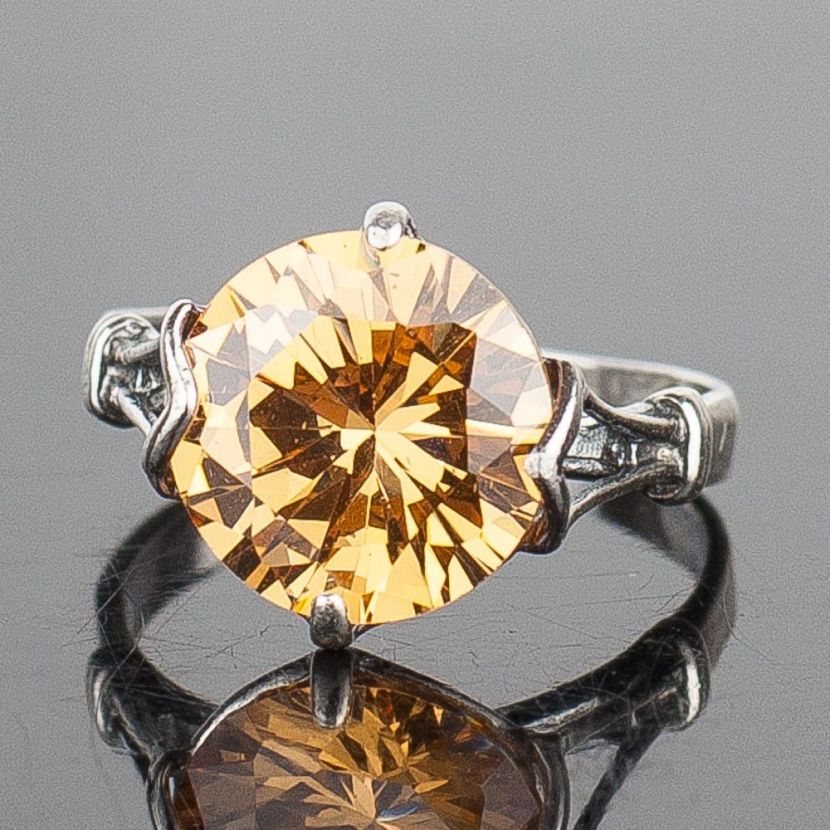
But there are several ways to determine the origin of the stone at home:
- If you breathe, then the artificial one will fog up, but the precious one will not.
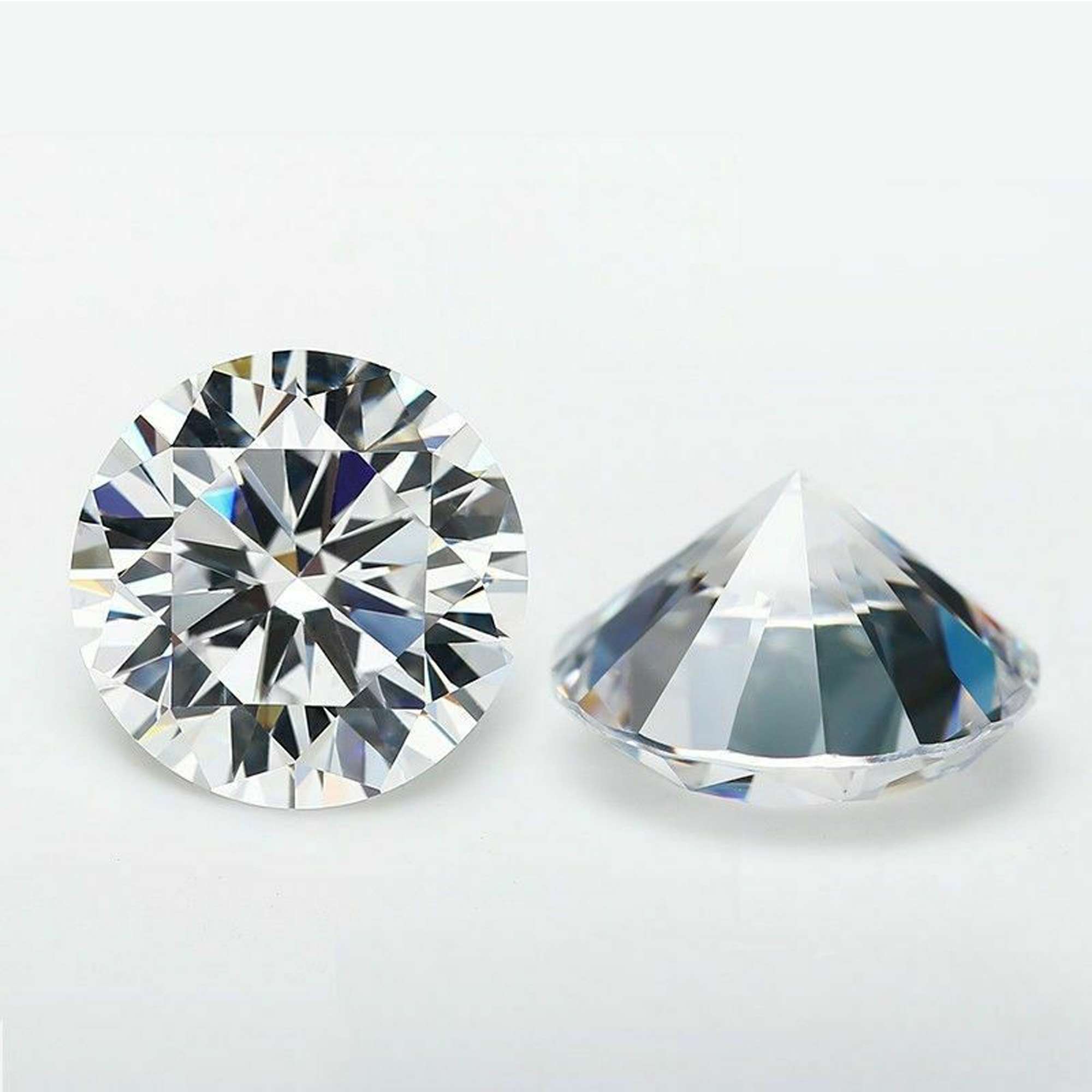
- Carefully consider the cut: diamonds have sharp edges, and cubic zirconias are round.
- If the jewelry has been bought for a long time, then chips and scratches may appear on the artificial stone, since its strength is much lower than natural diamond.
- Holding cubic zirconia in your hands, you can heat it, the diamond will remain cool.
- If you look through a diamond at the sun, then it will not be visible, just as if you put it on a book, then the printed letters through it should not be visible. Through cubic zirkonia the sun and letters are clearly visible.
- Under ultraviolet light, natural diamonds glow blue, while artificial diamonds glow blue or green.
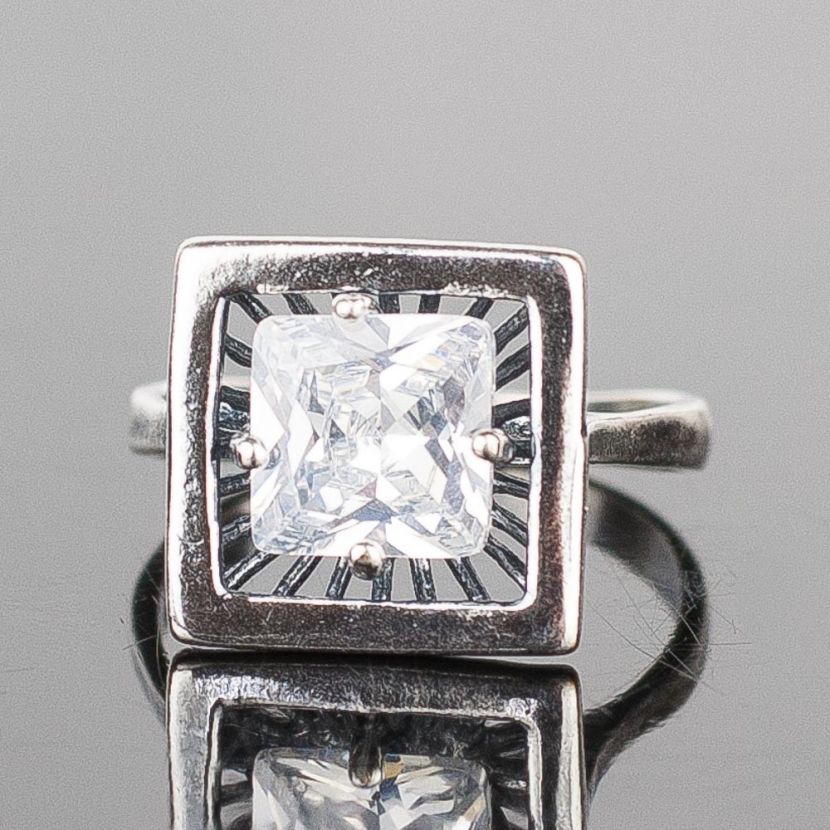
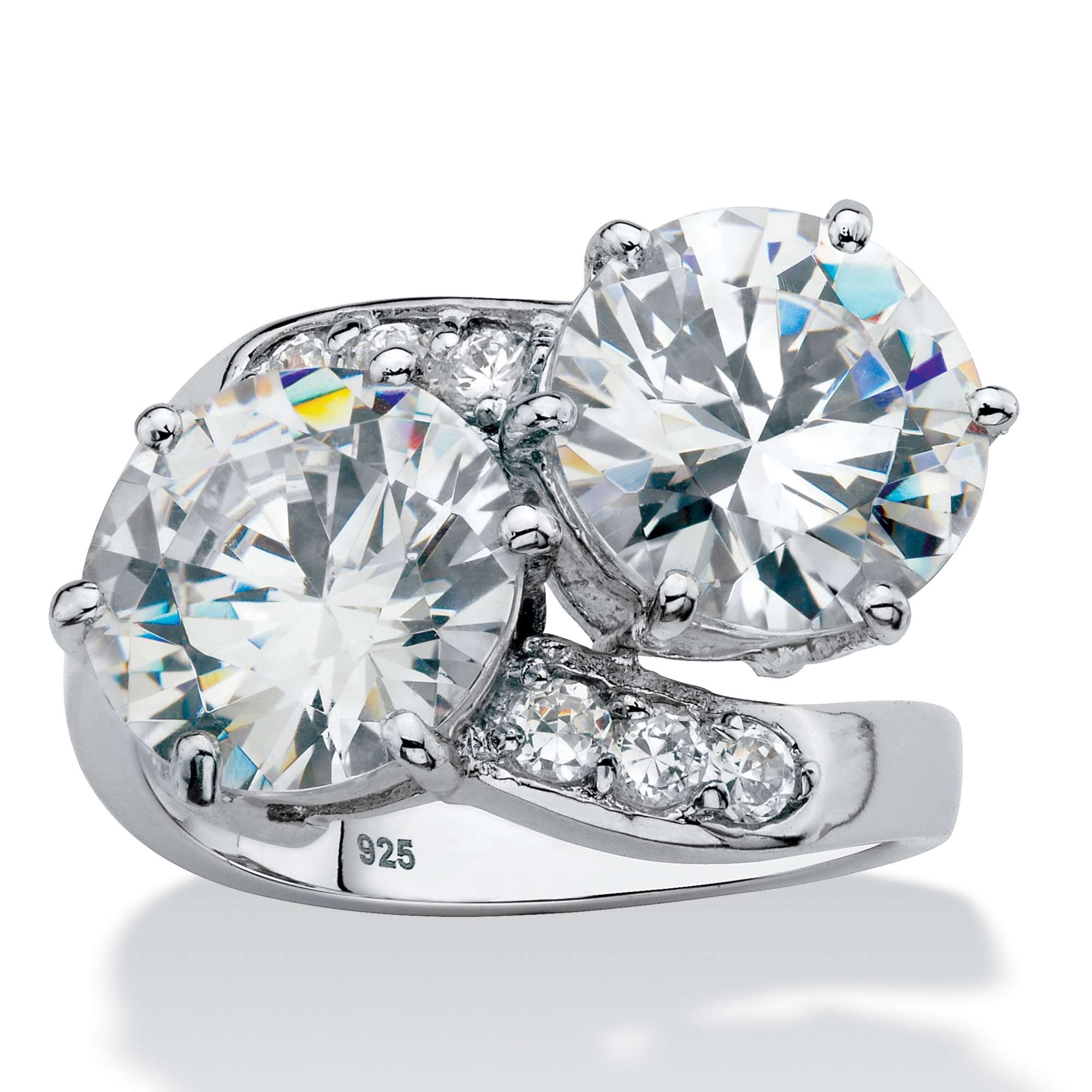
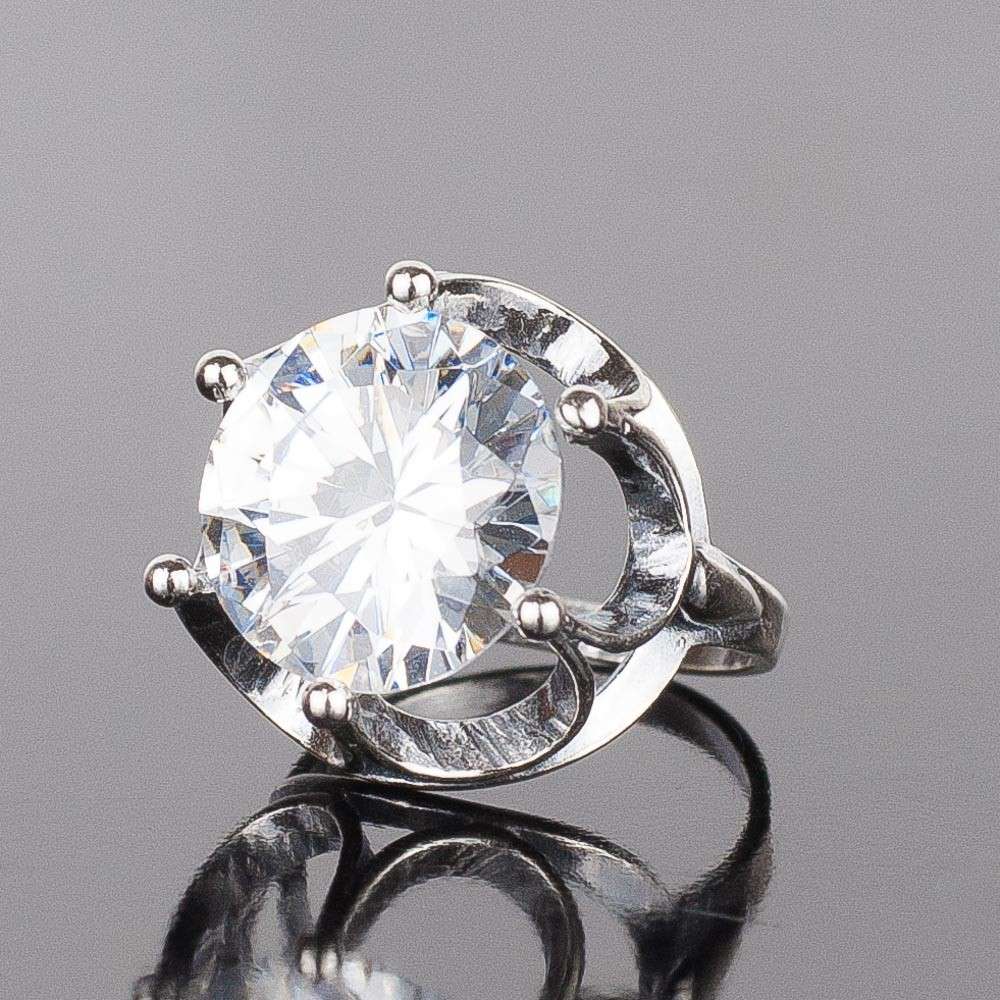
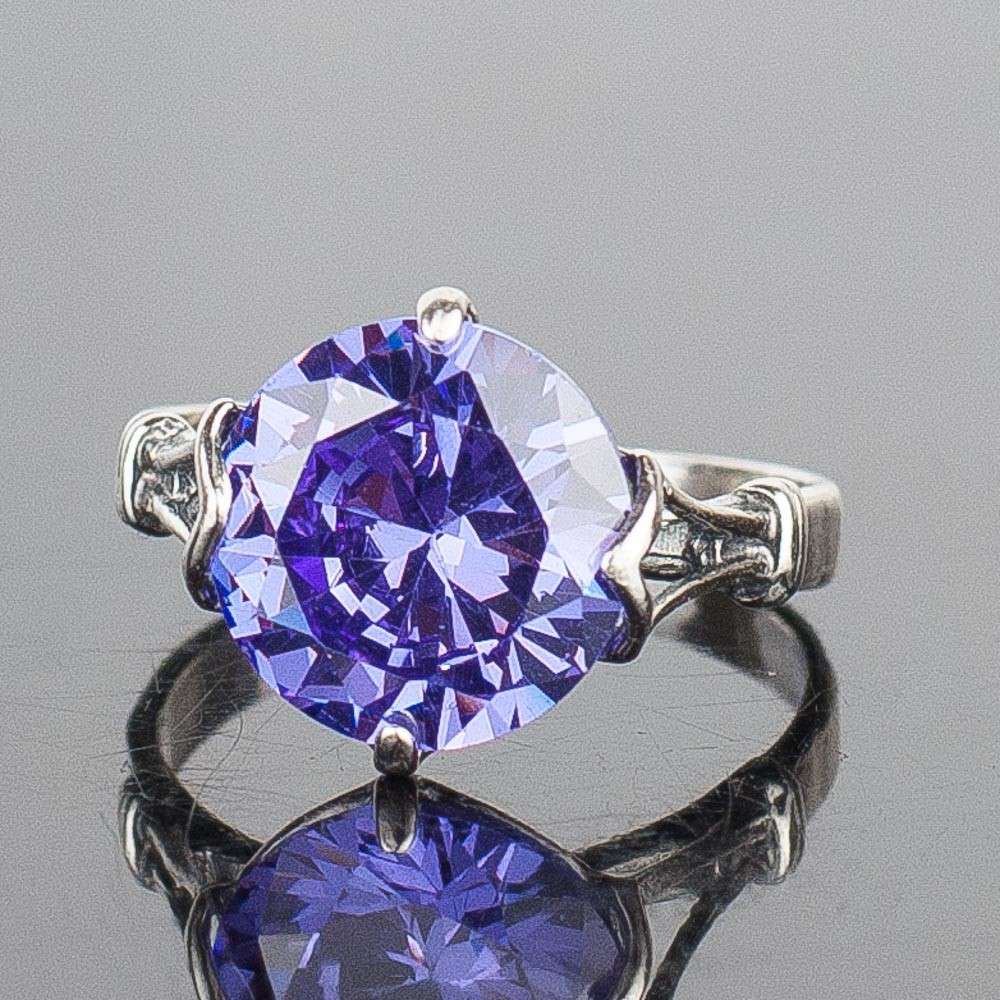
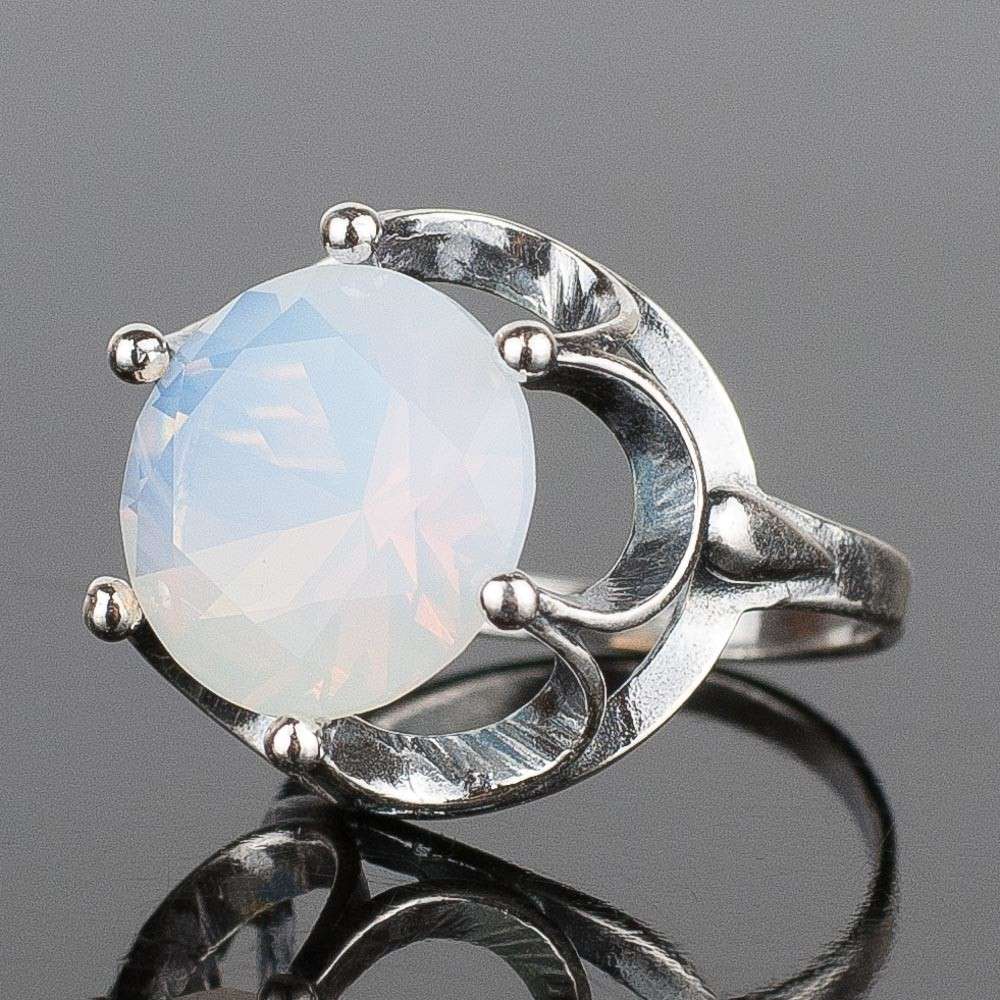
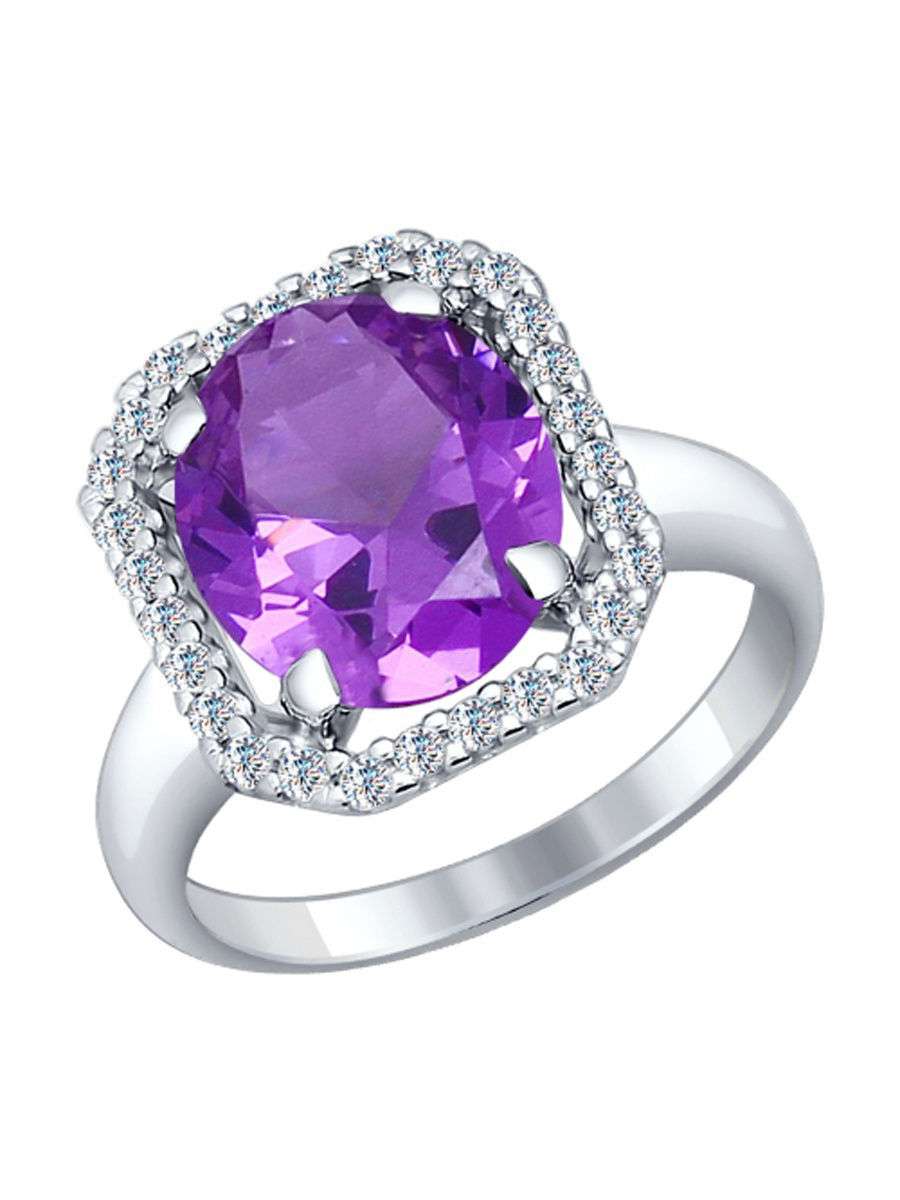
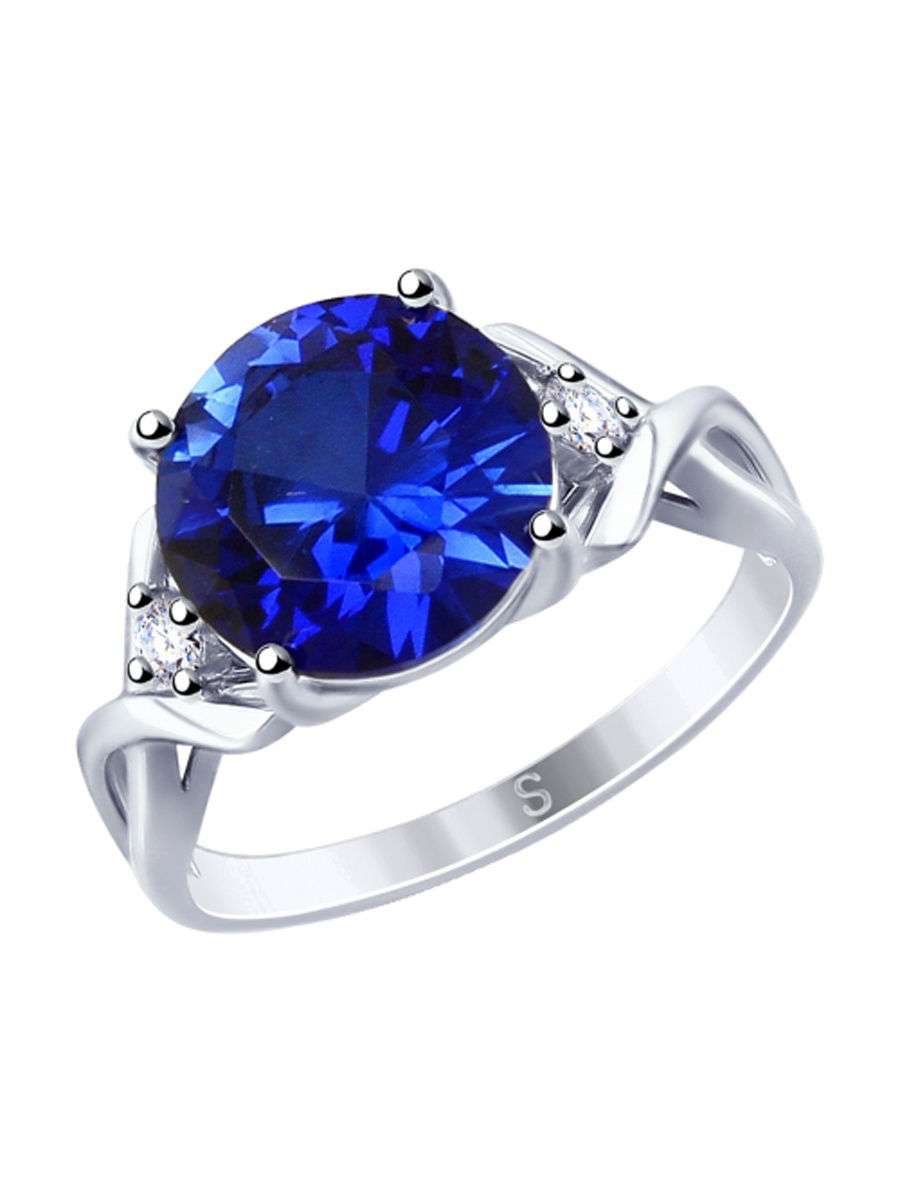
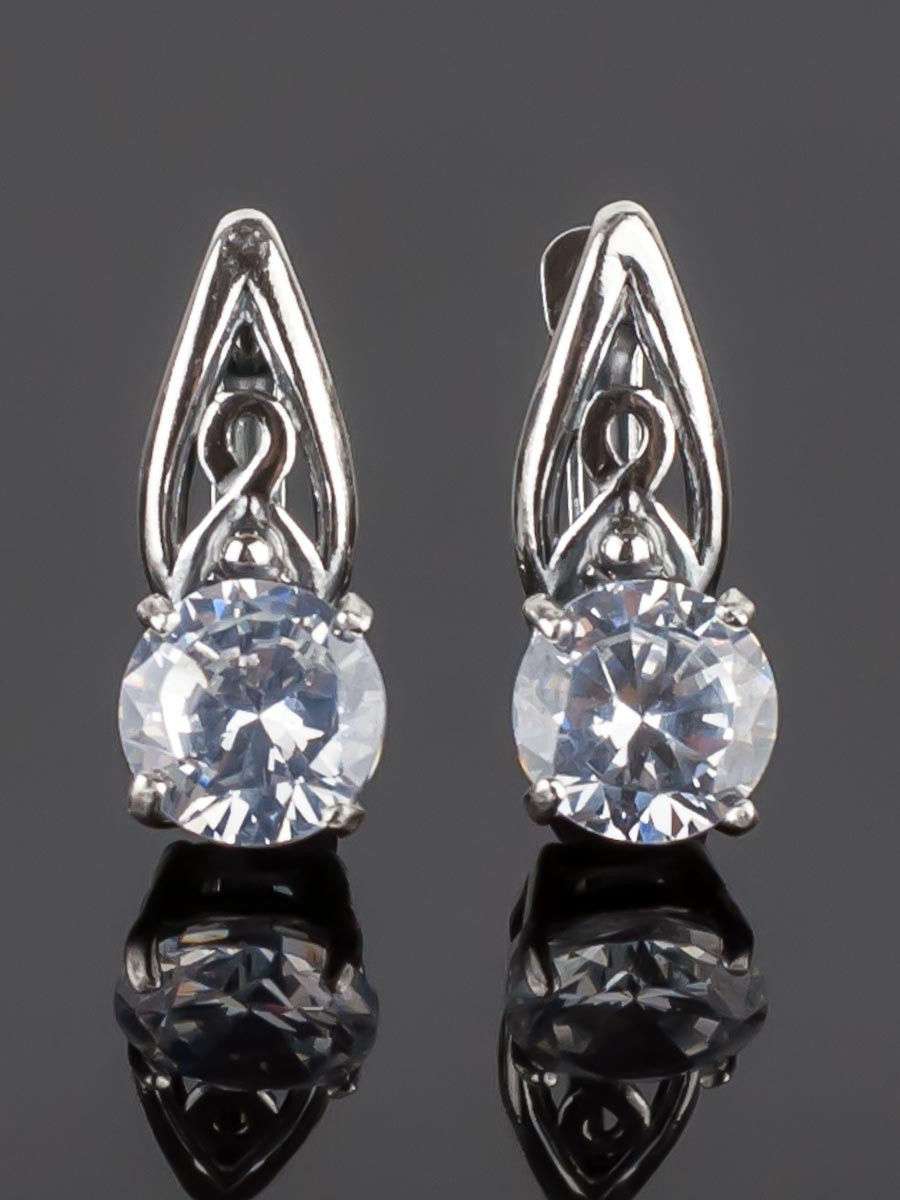
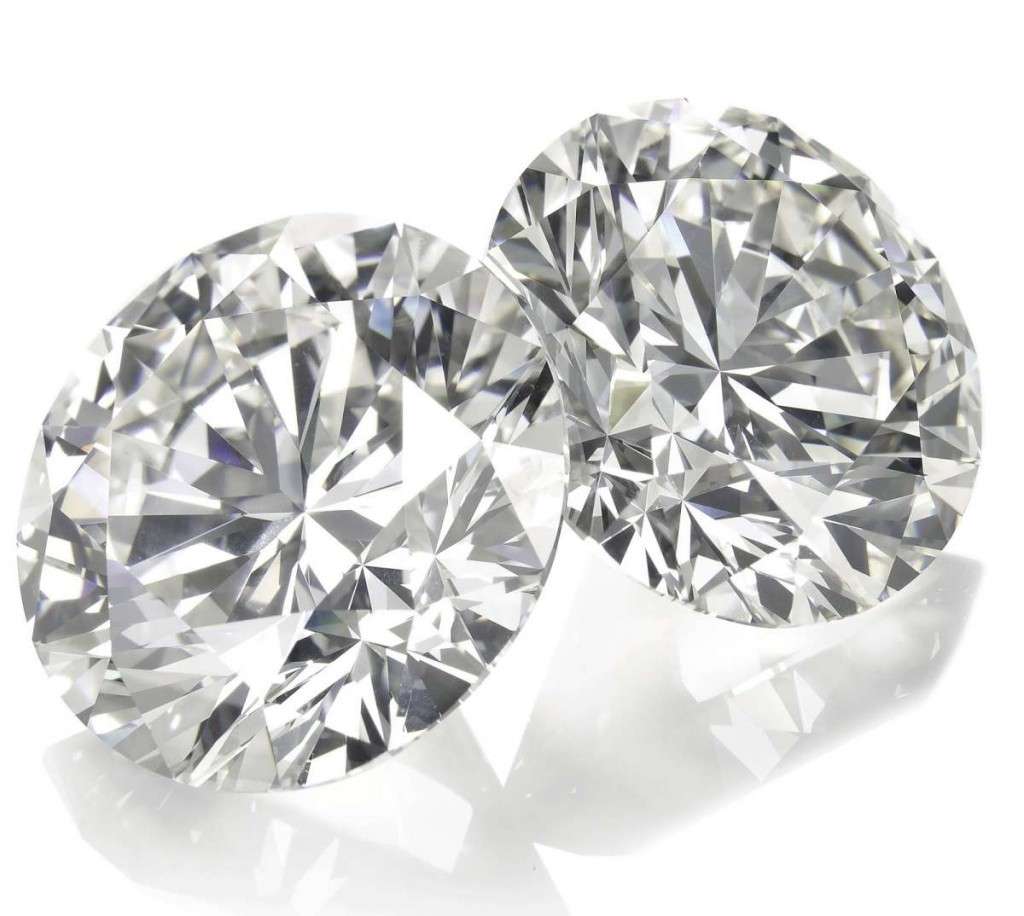
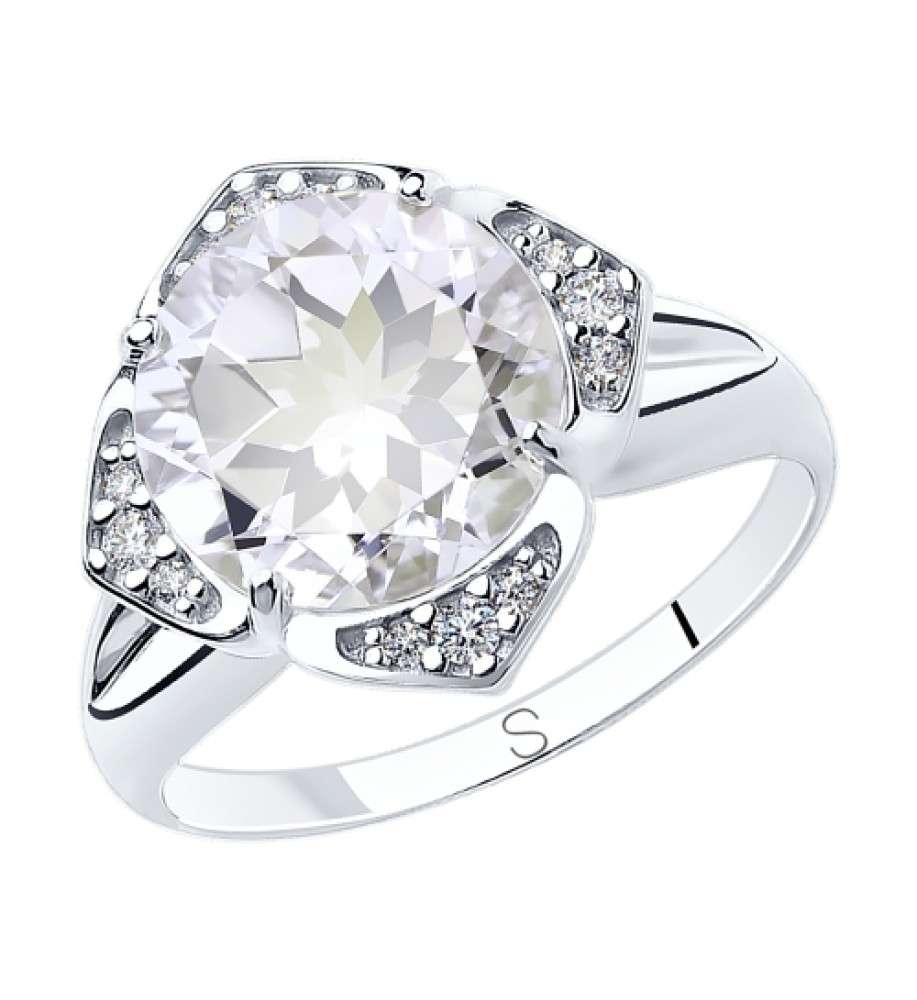
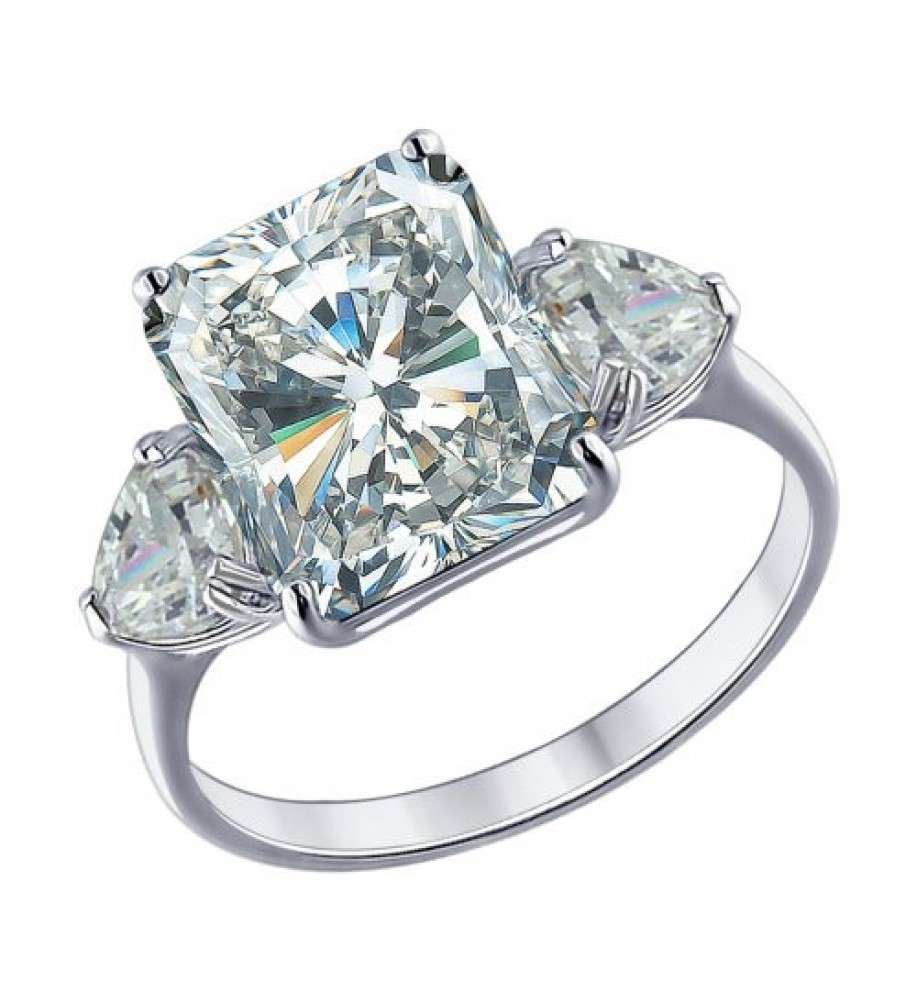
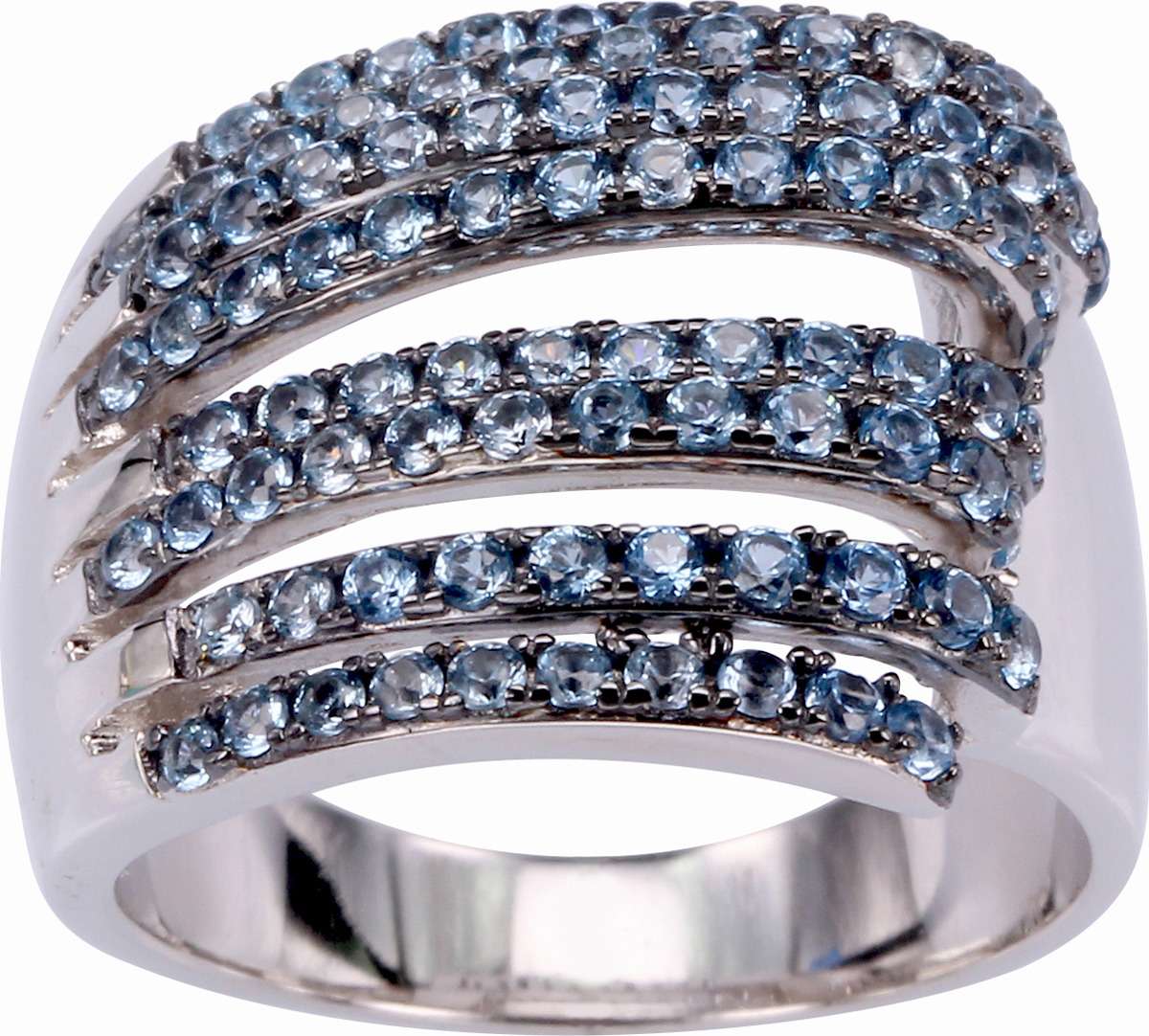
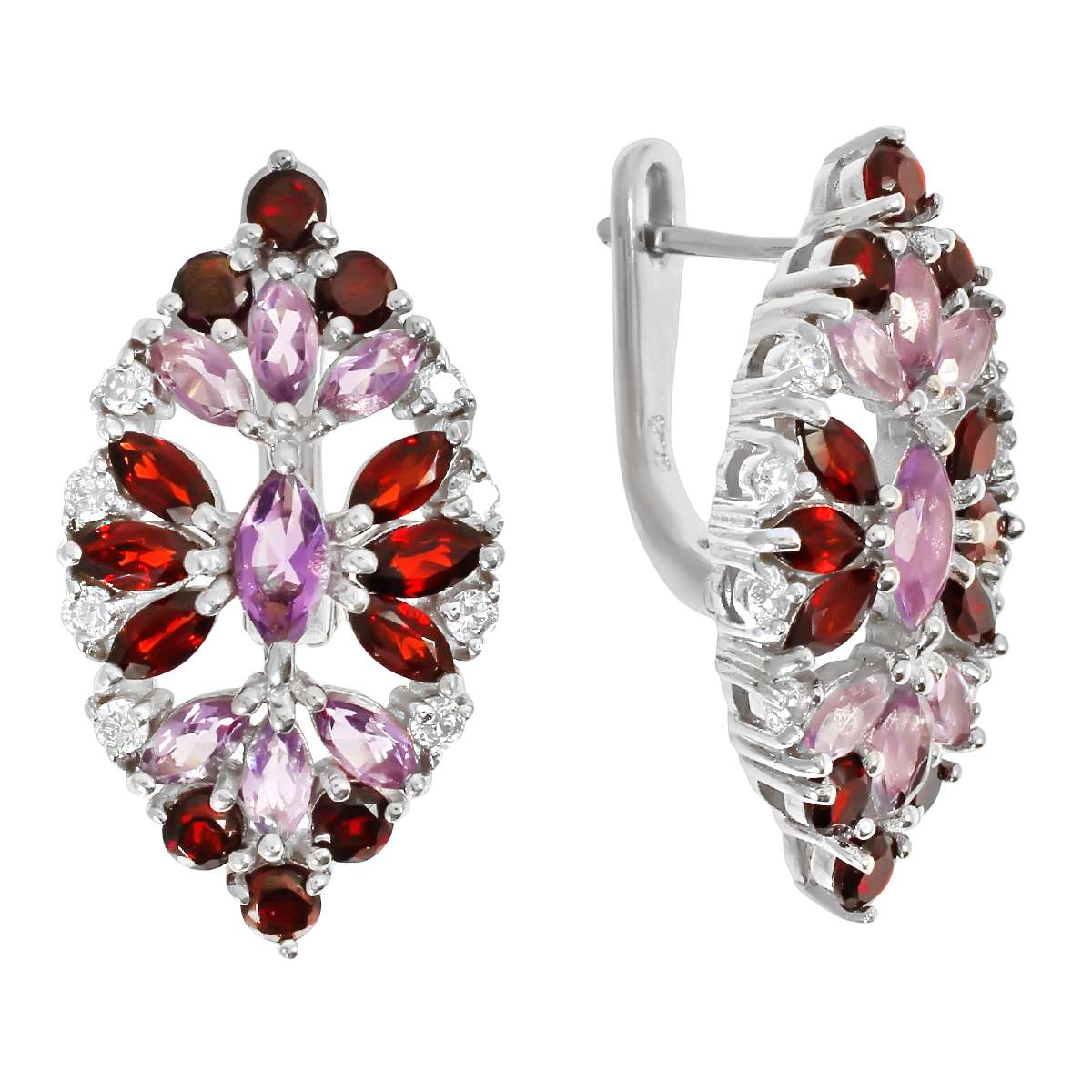
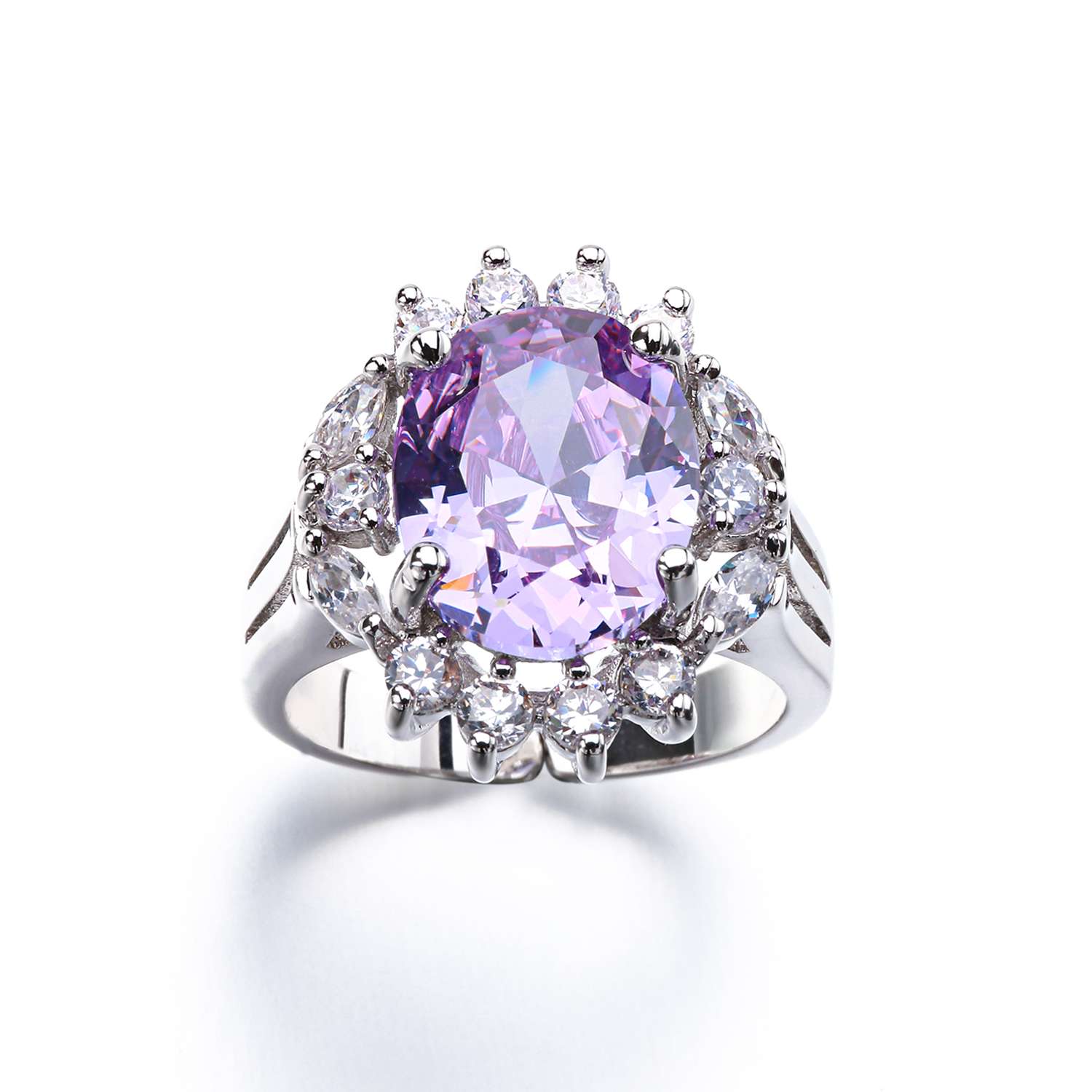
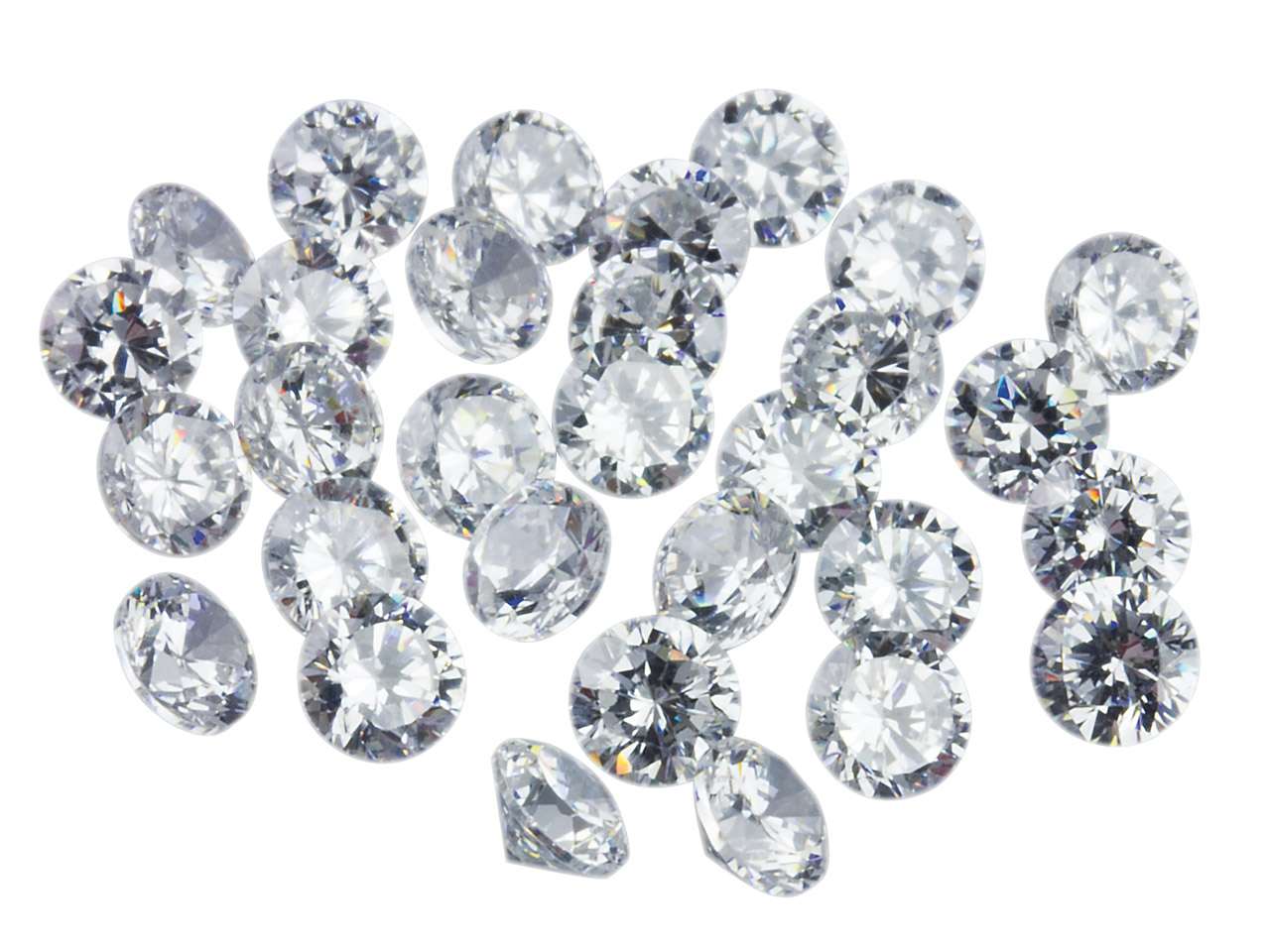
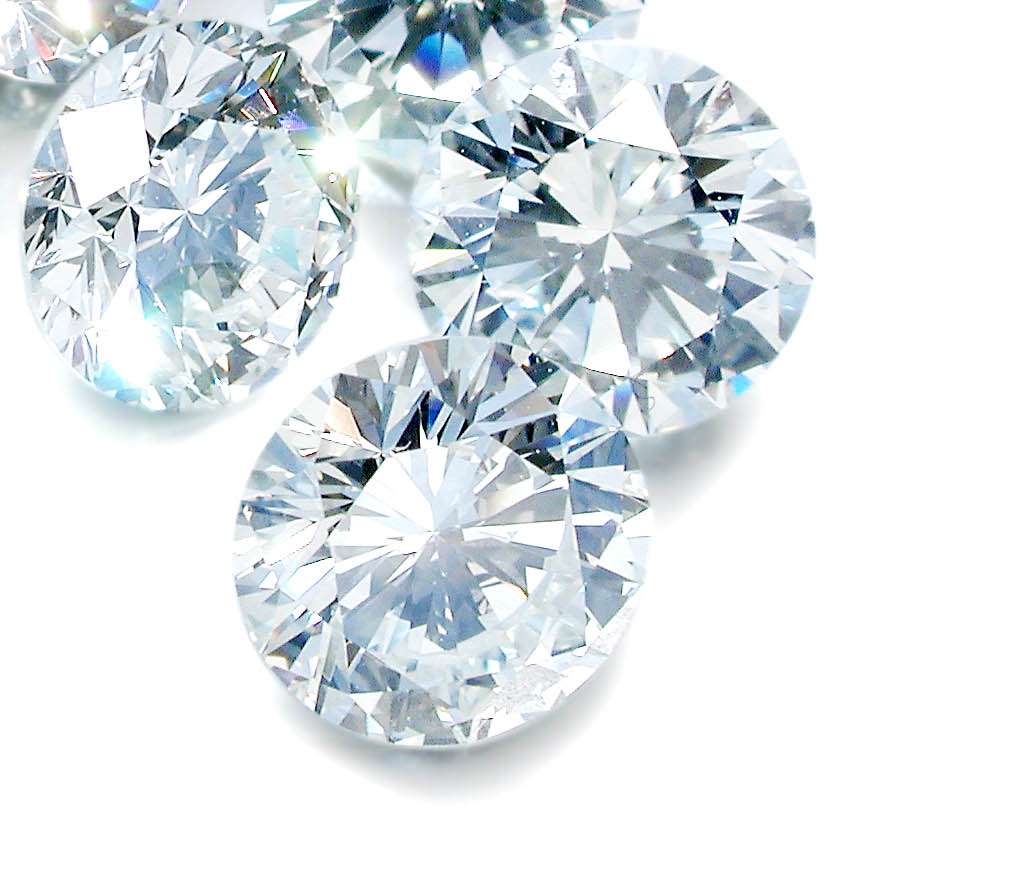
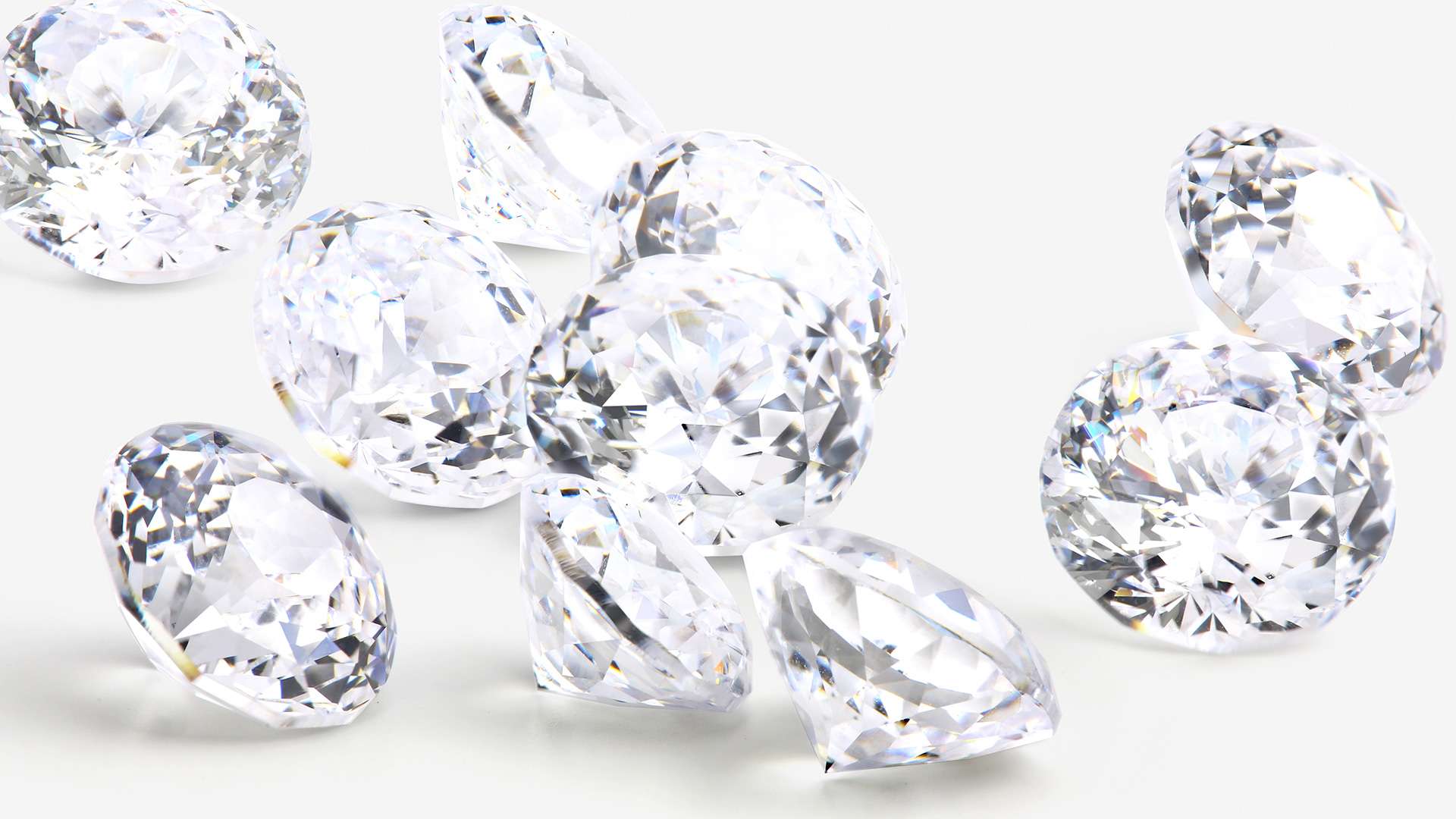
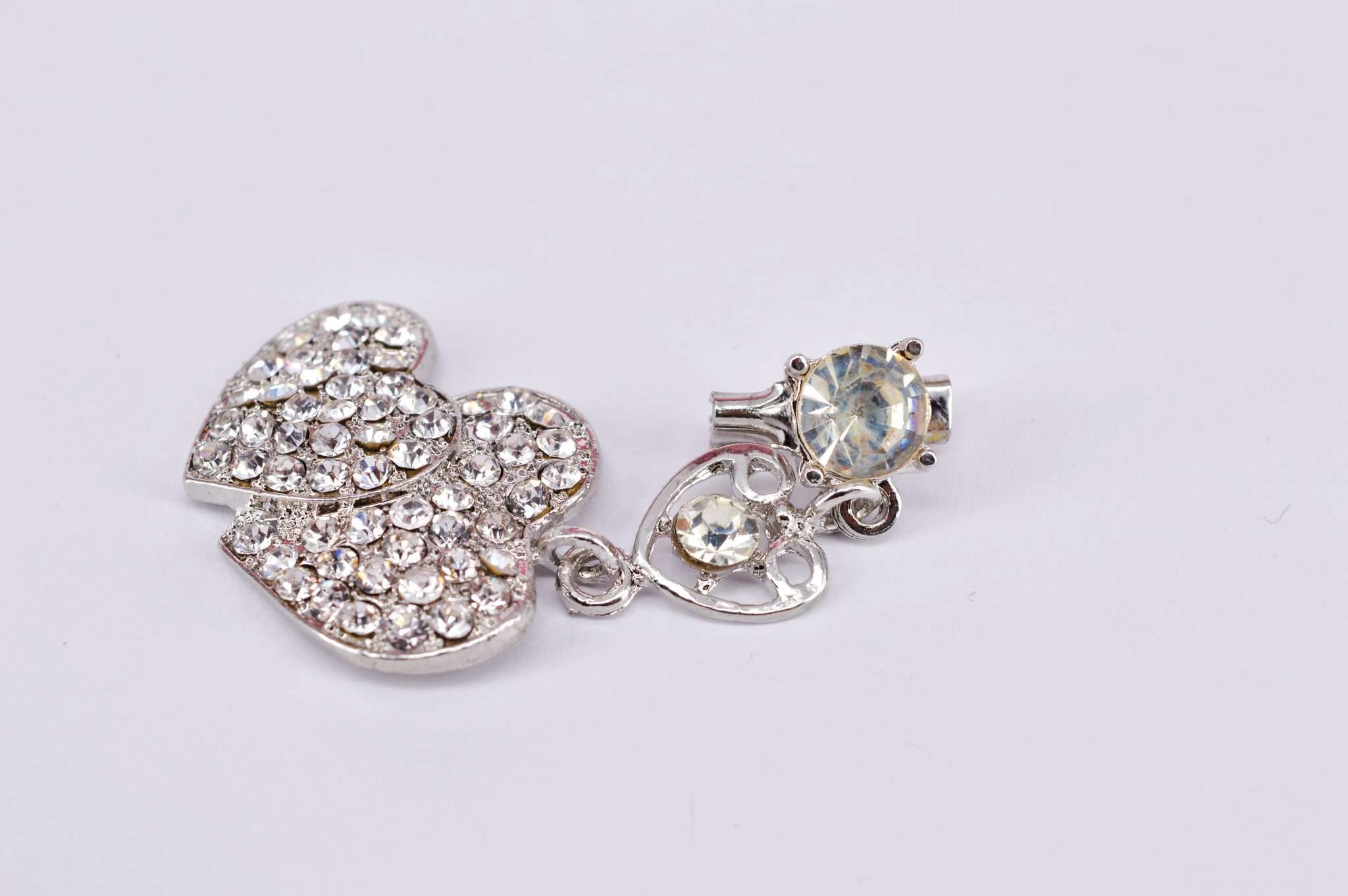
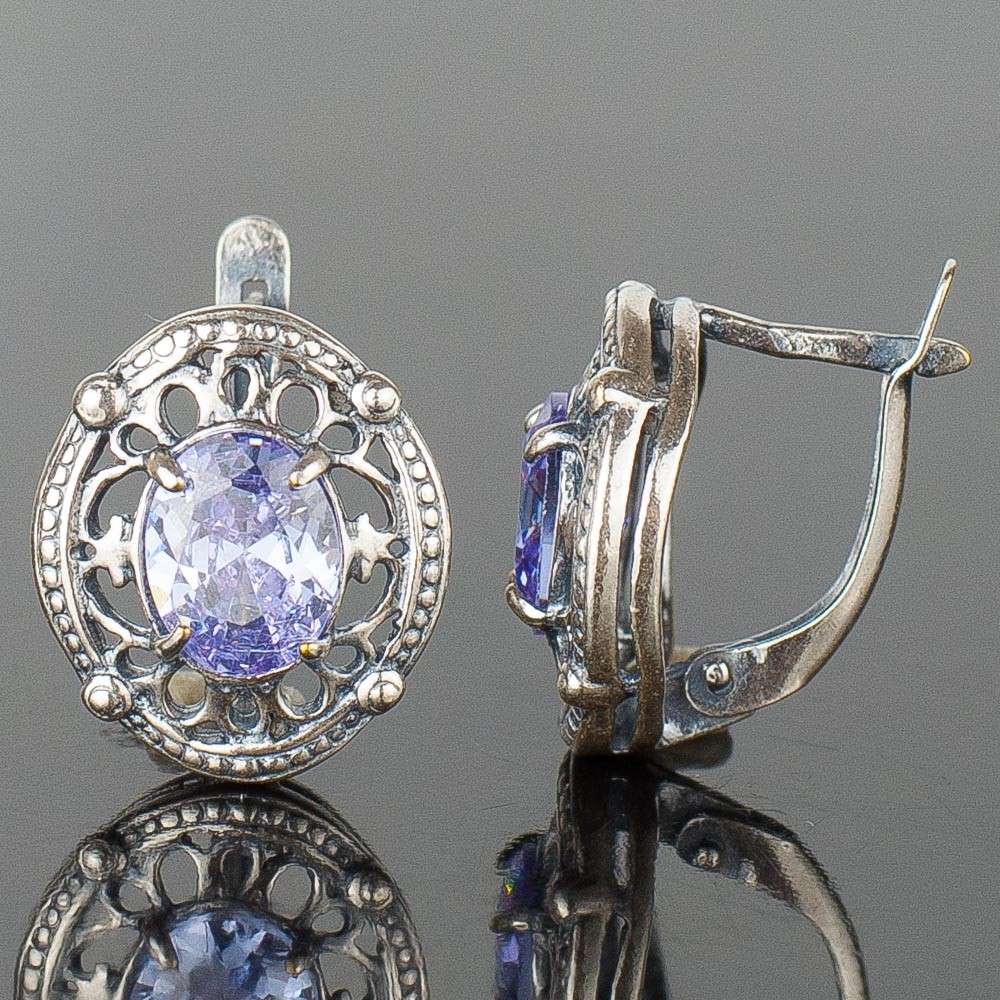
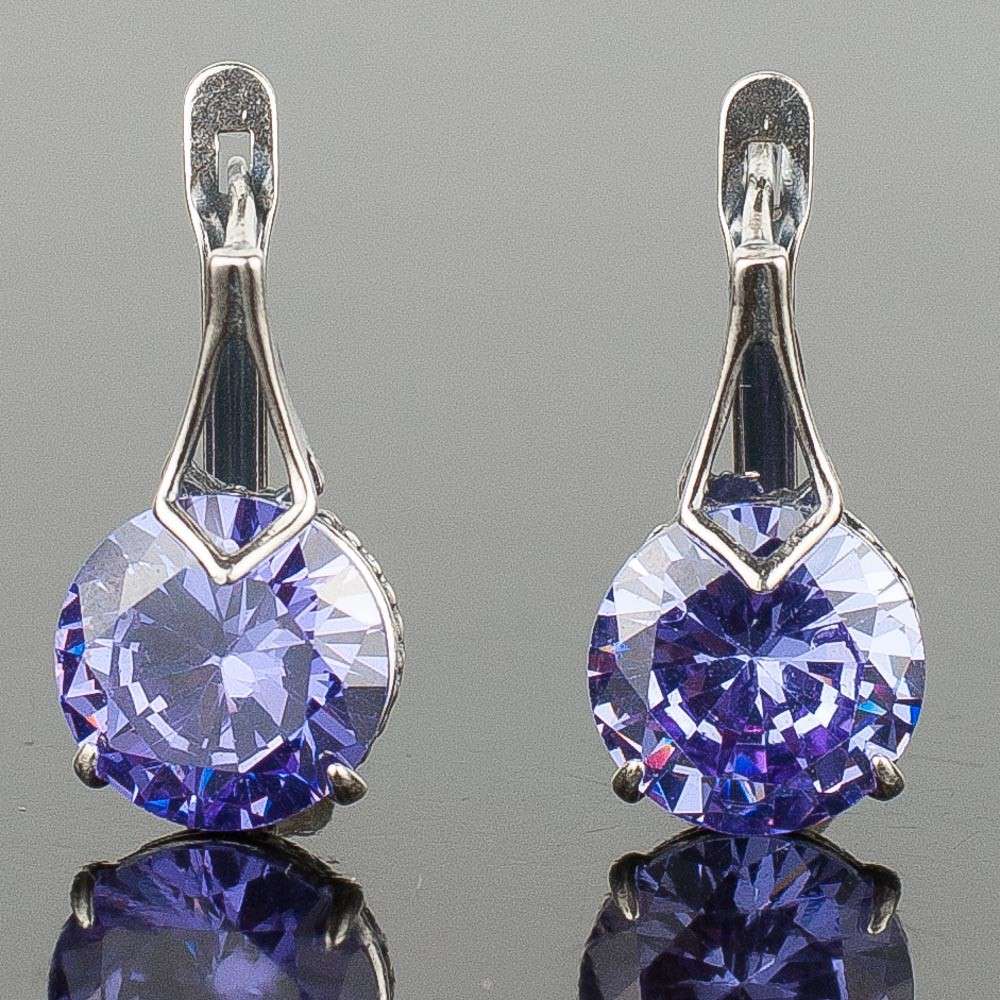
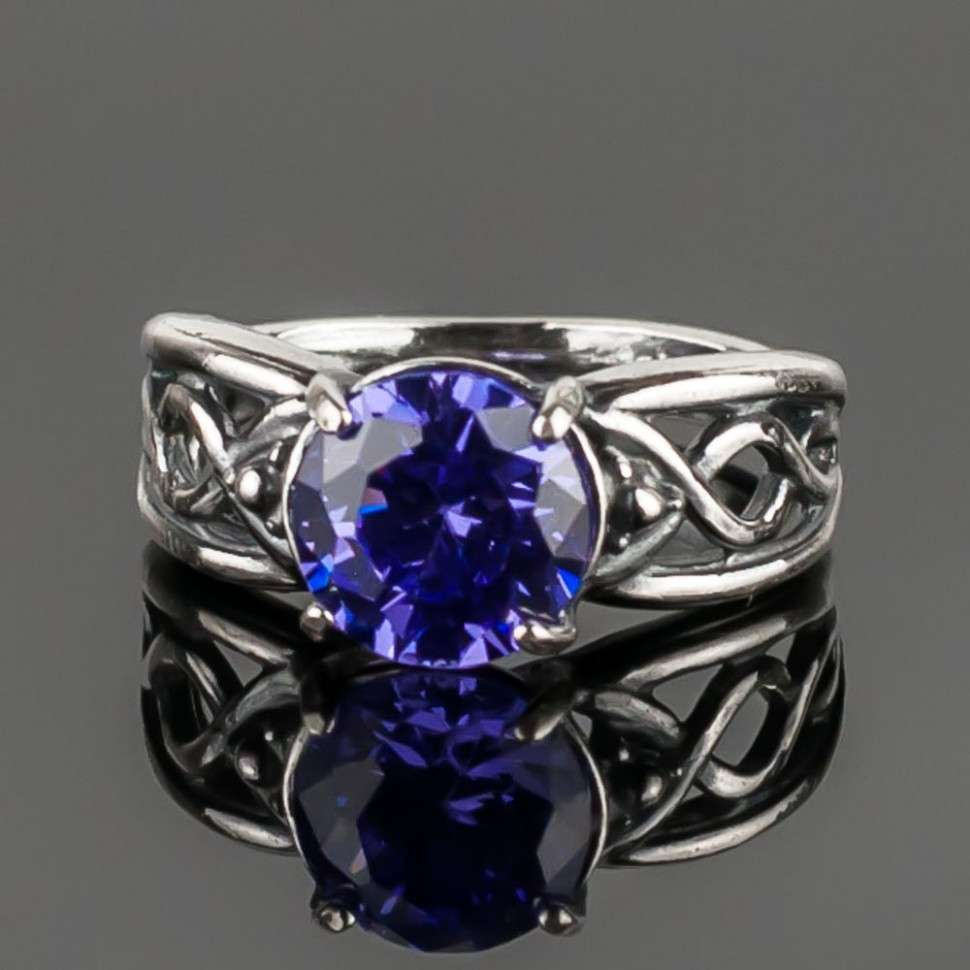
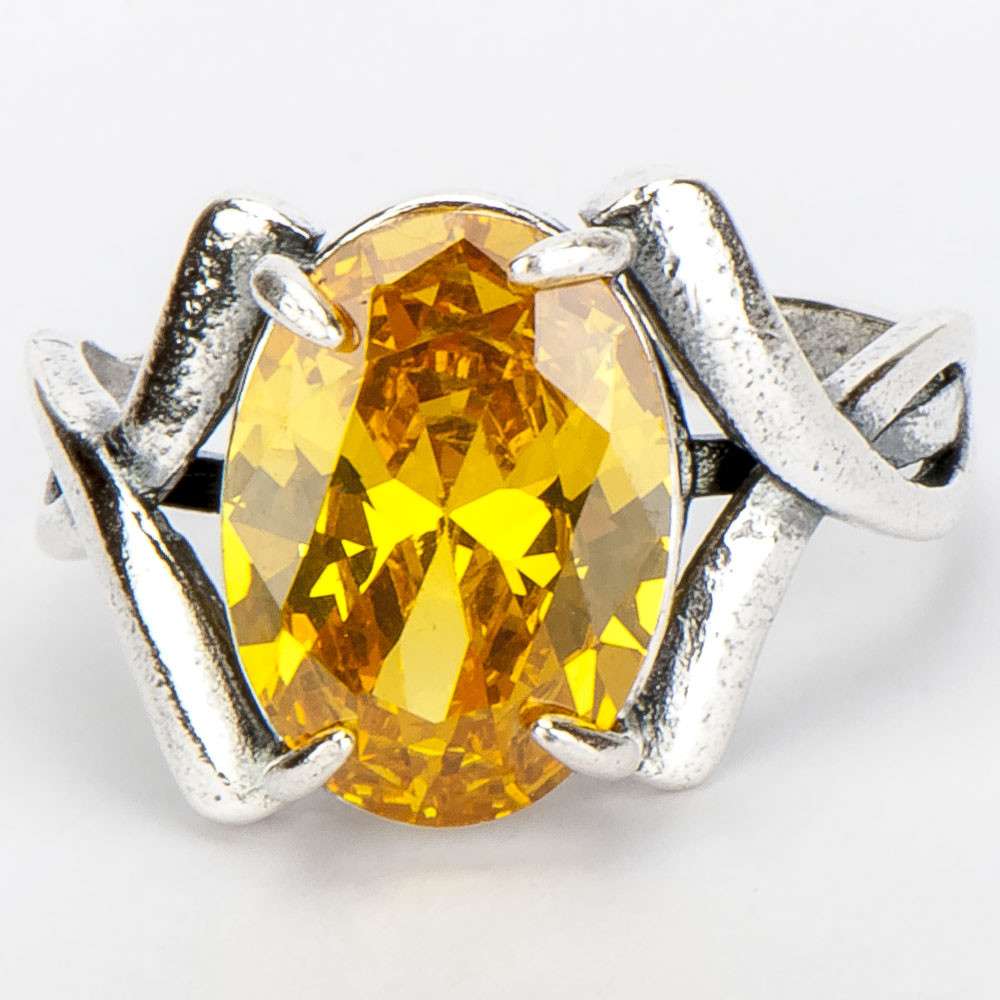
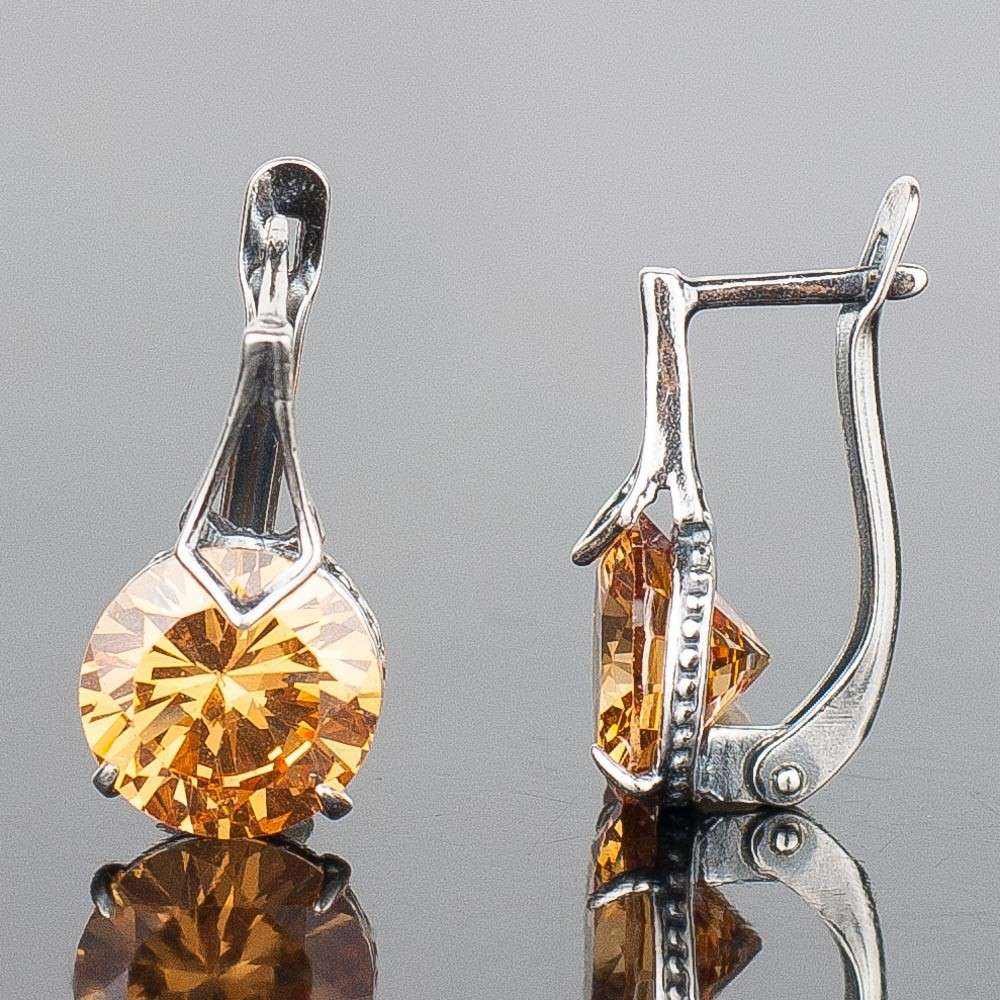
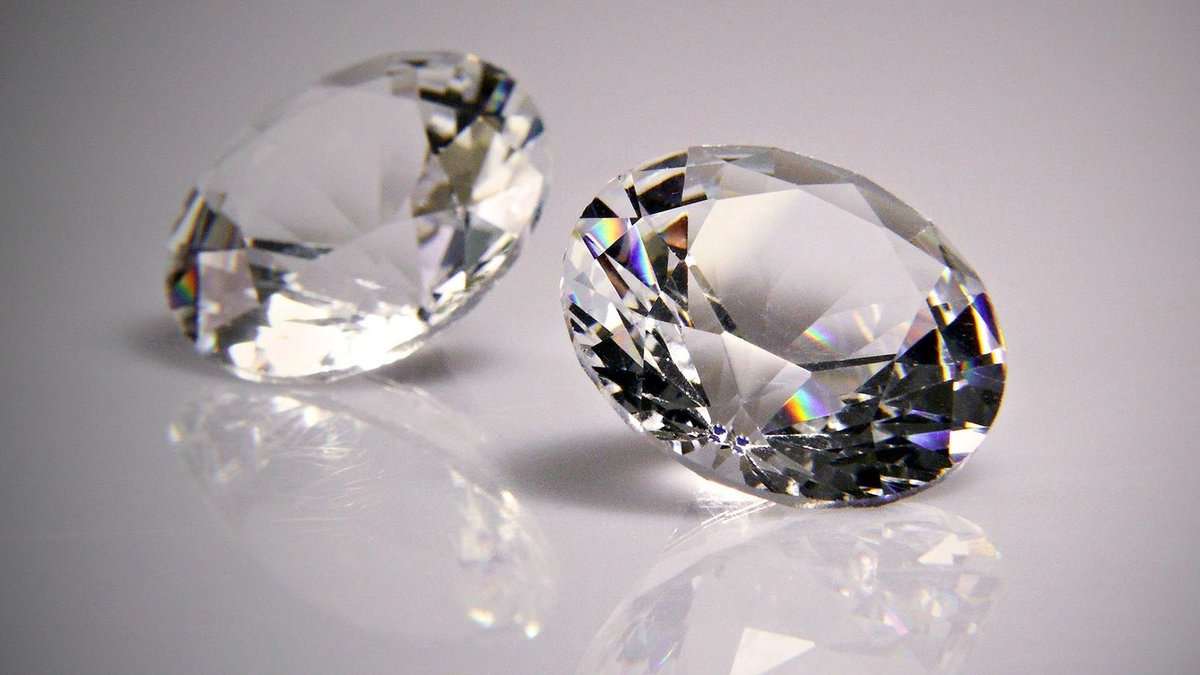
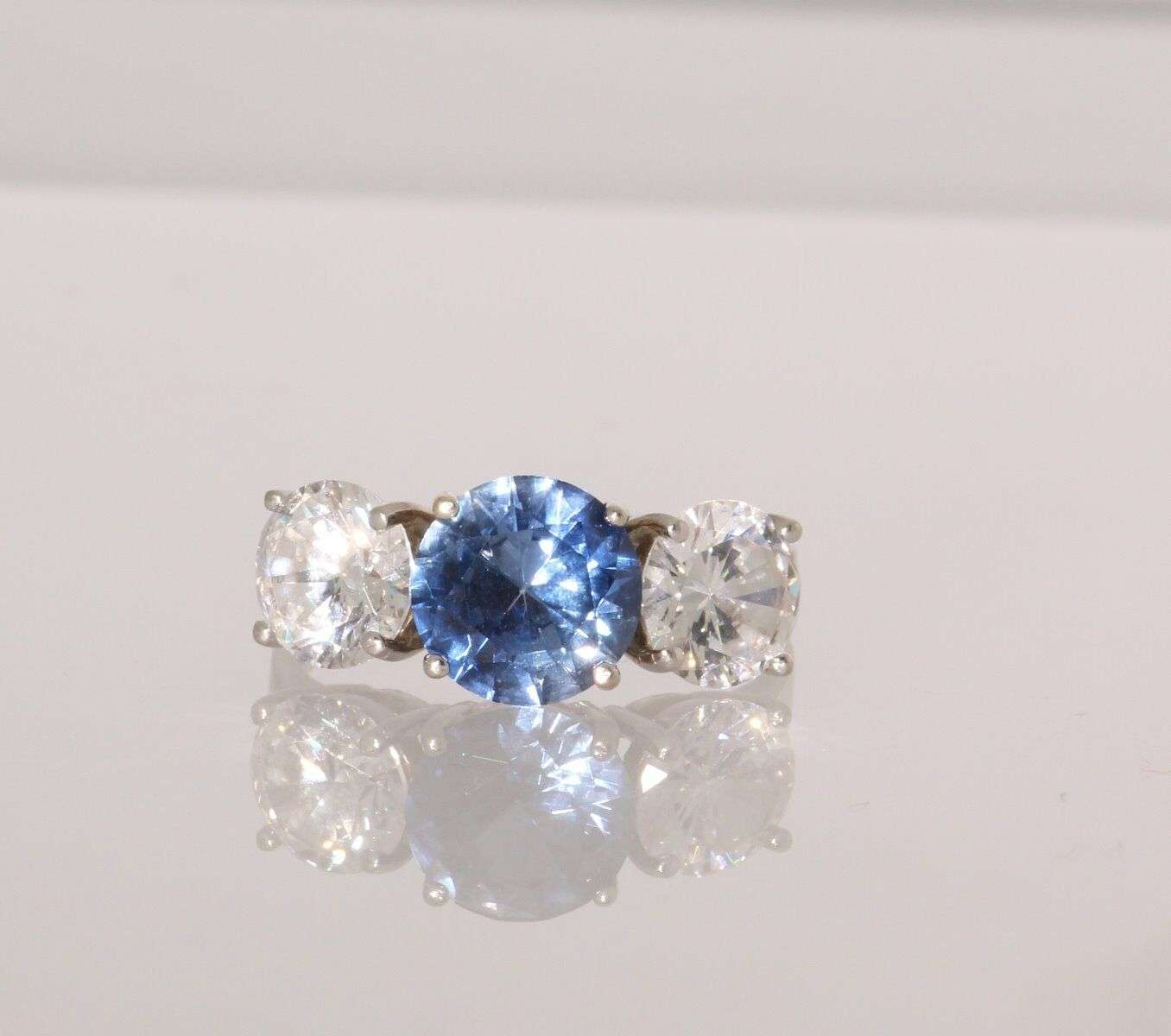
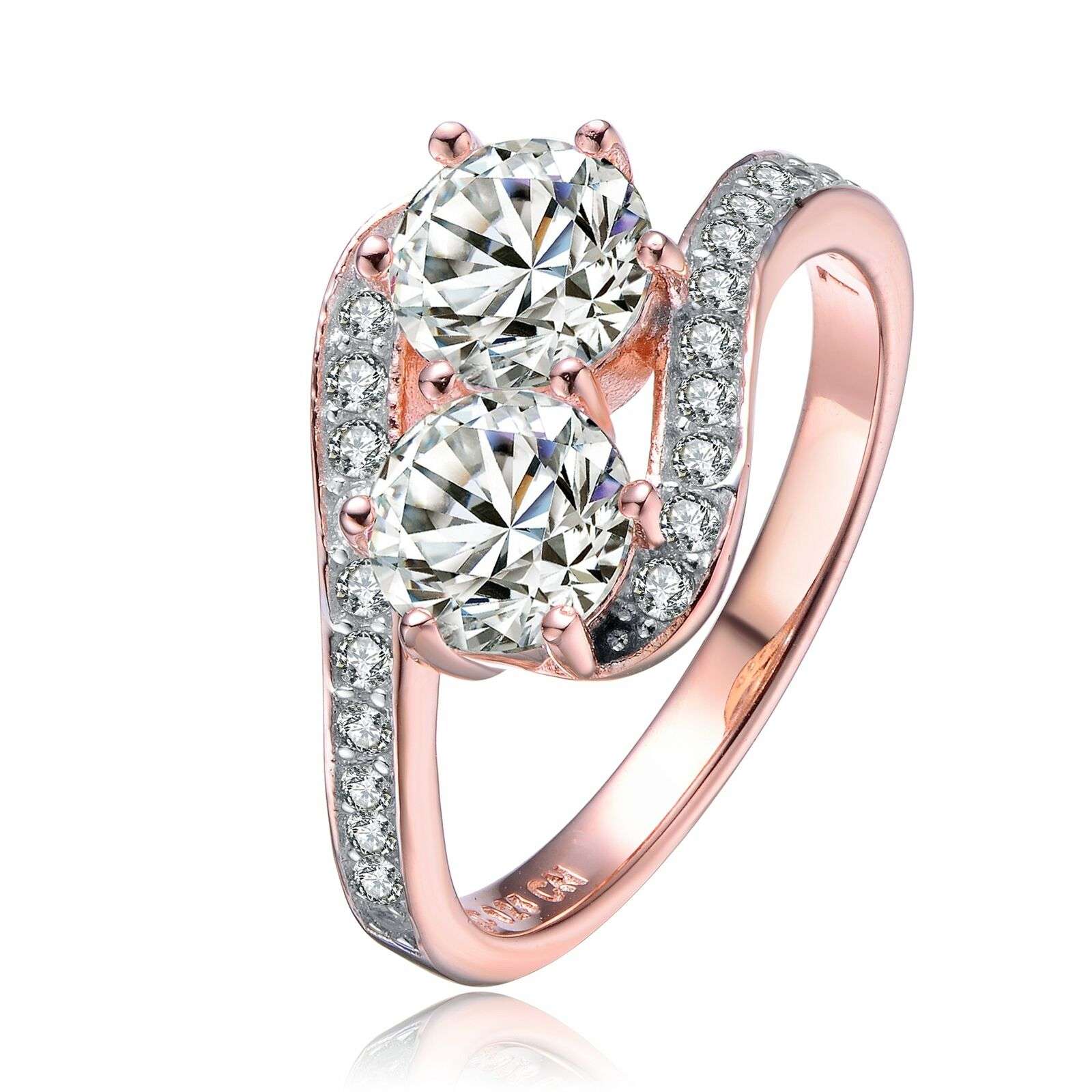
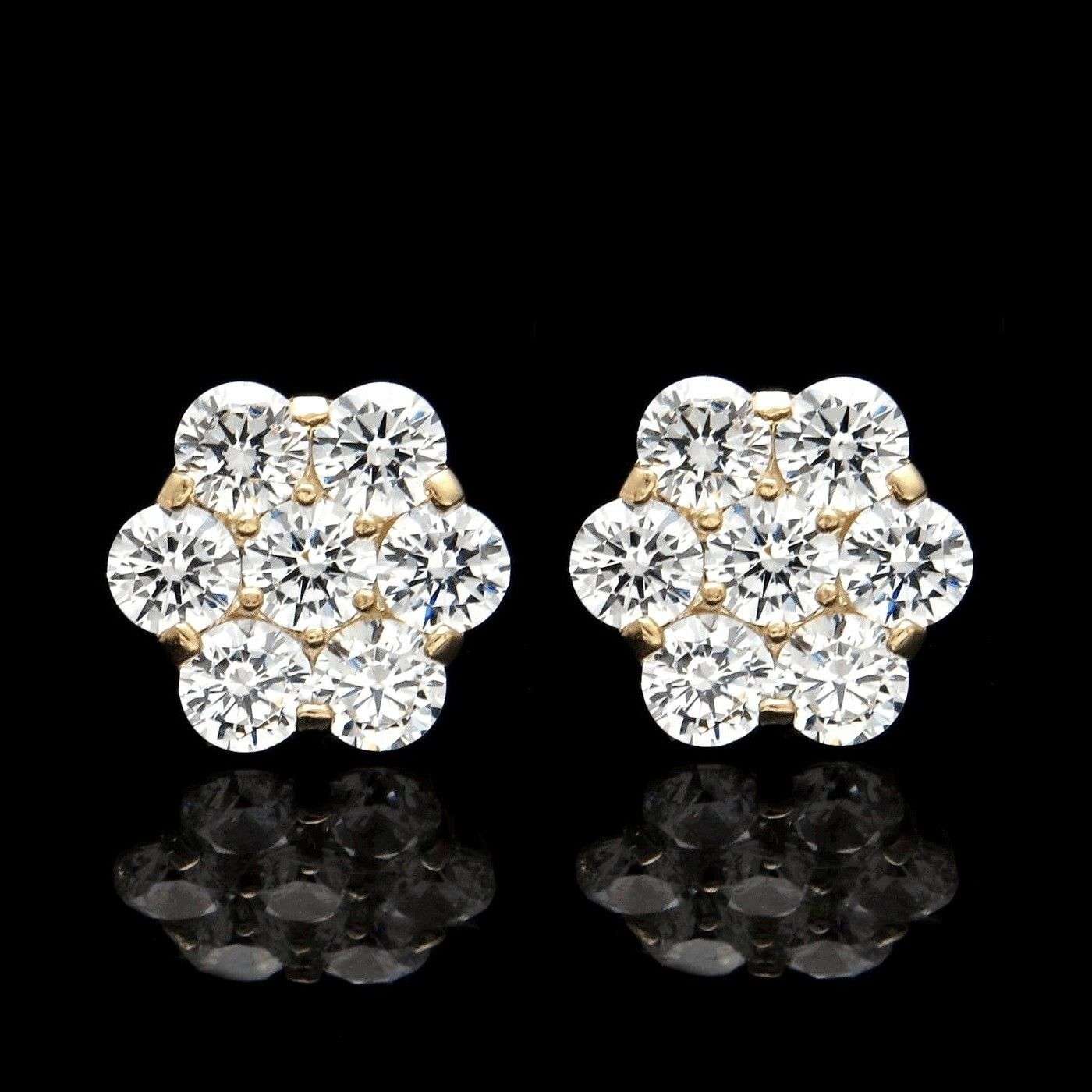
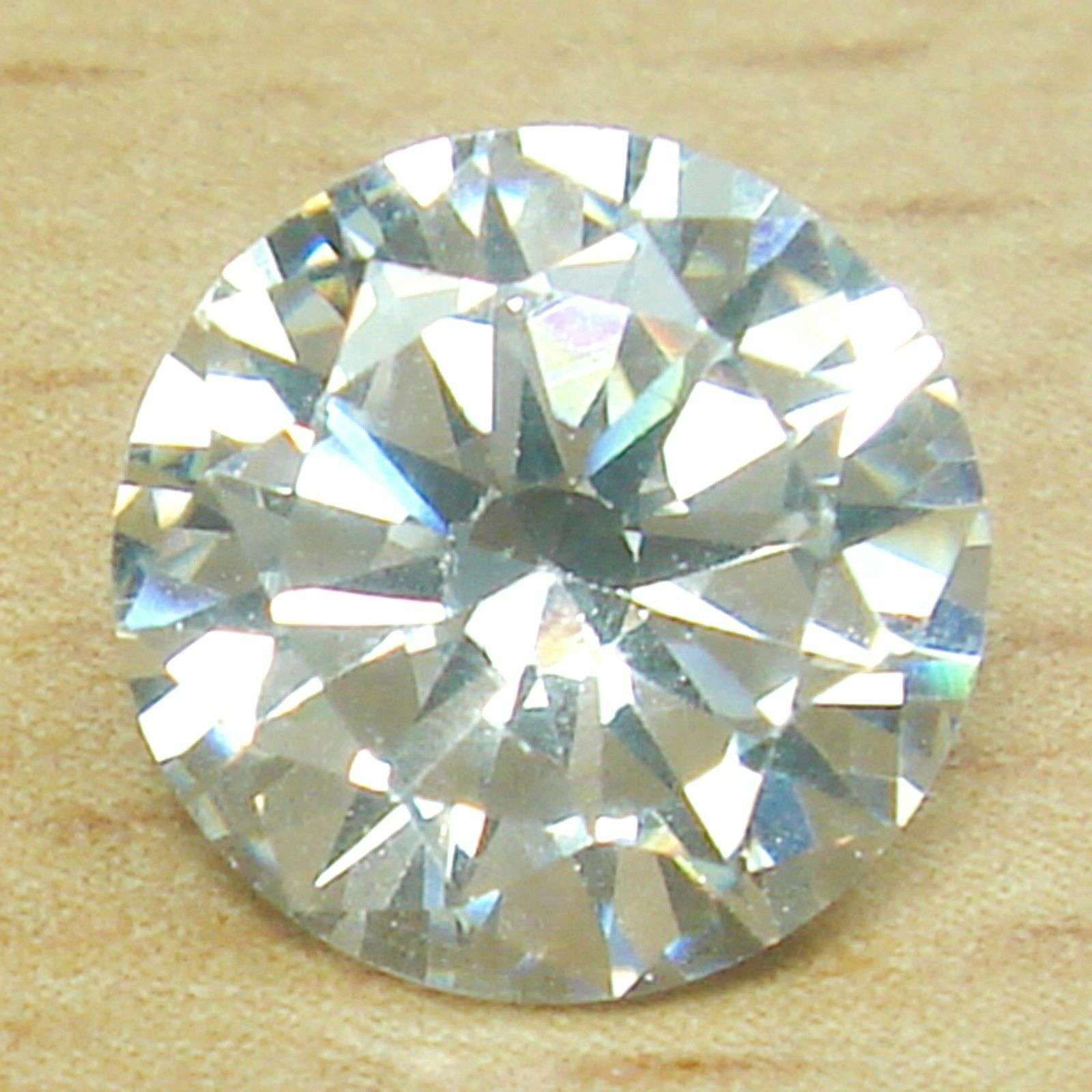
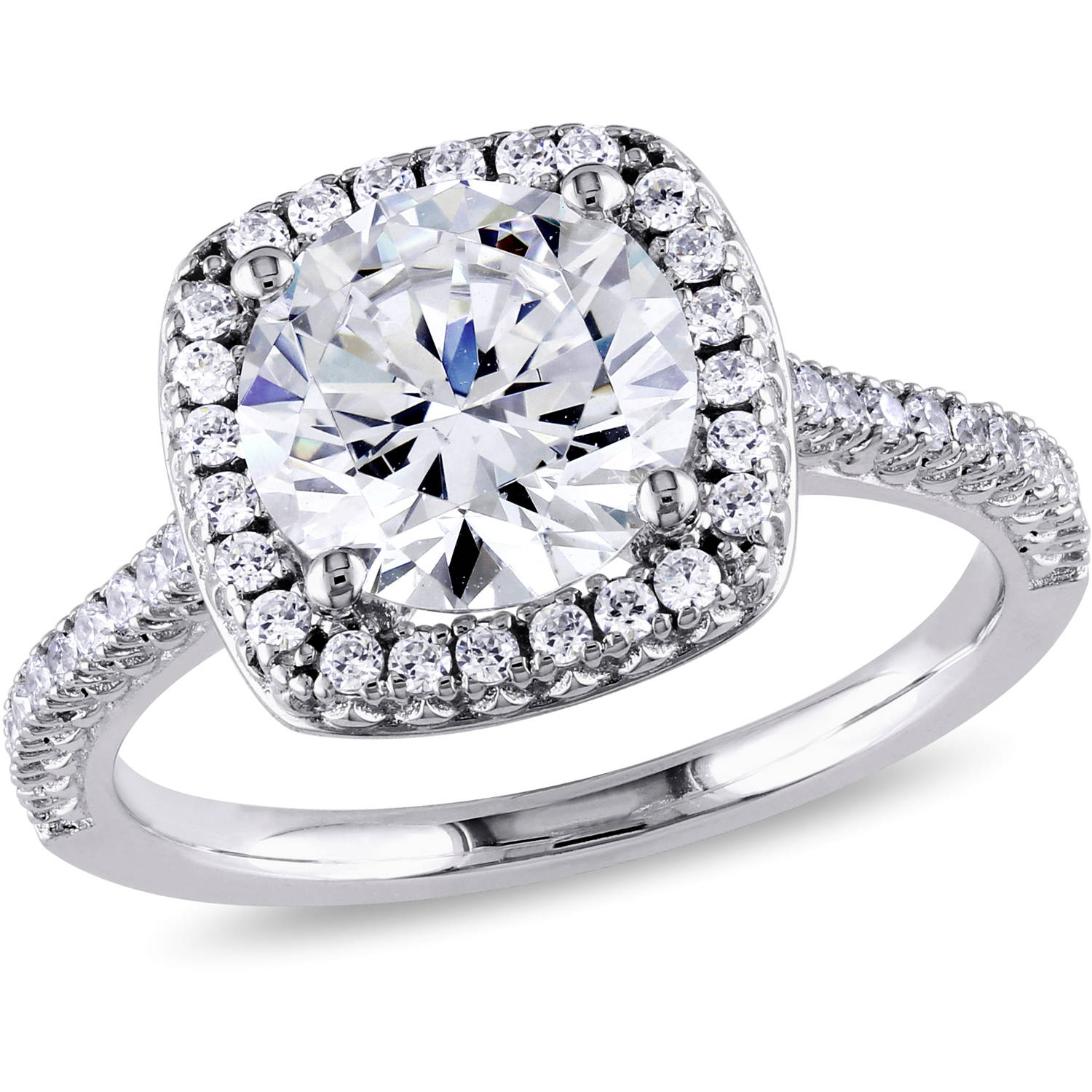
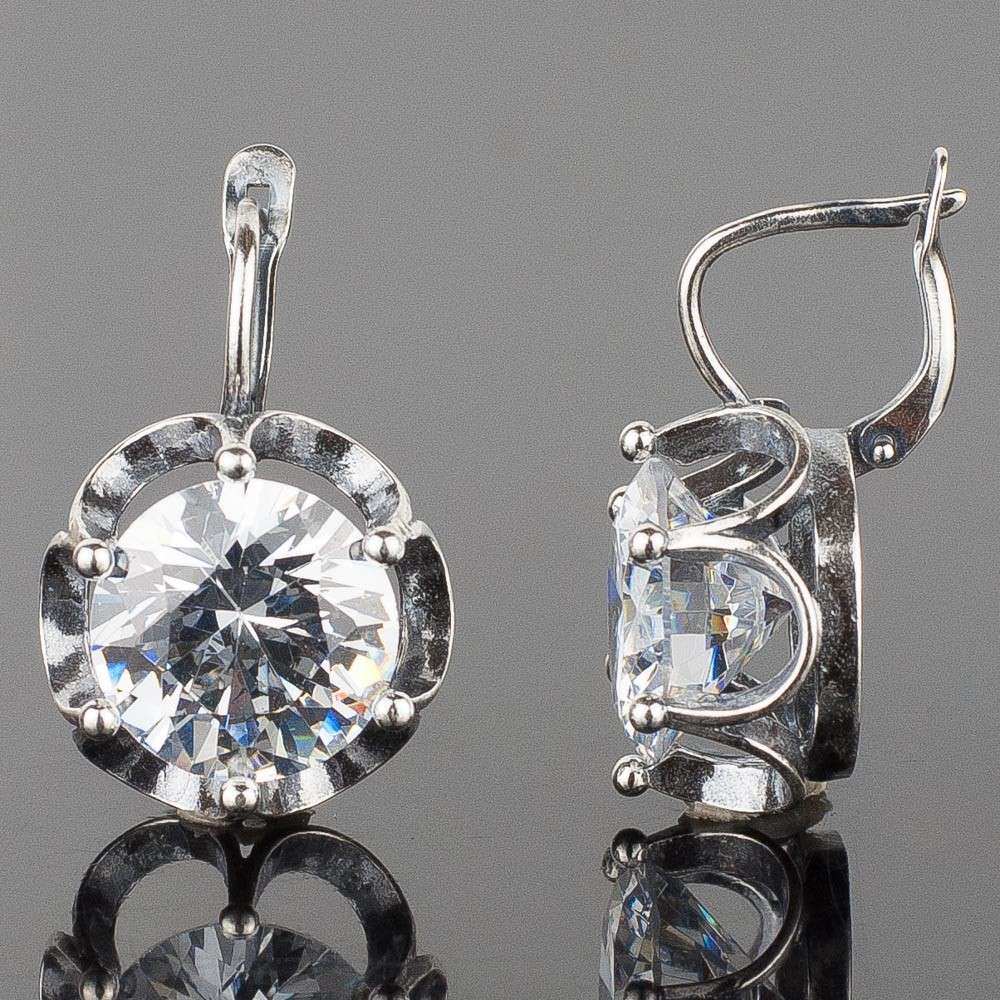
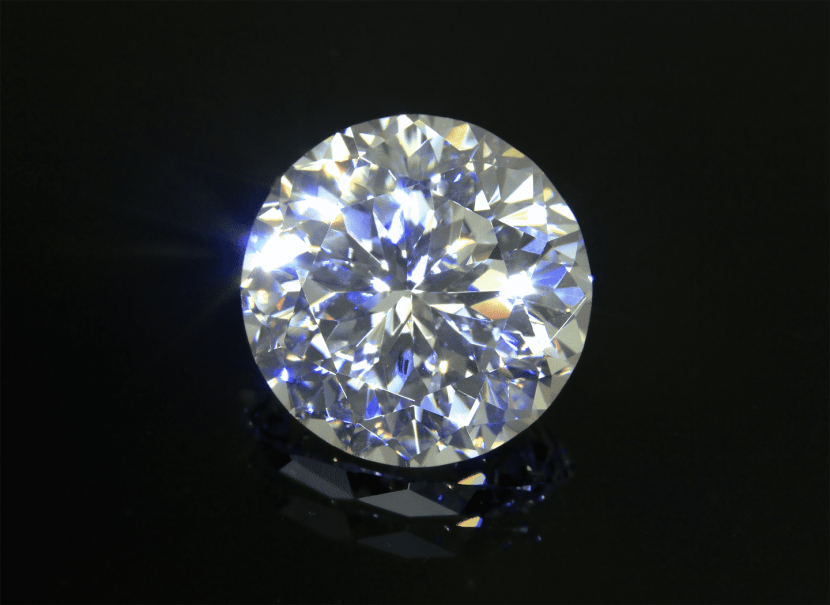
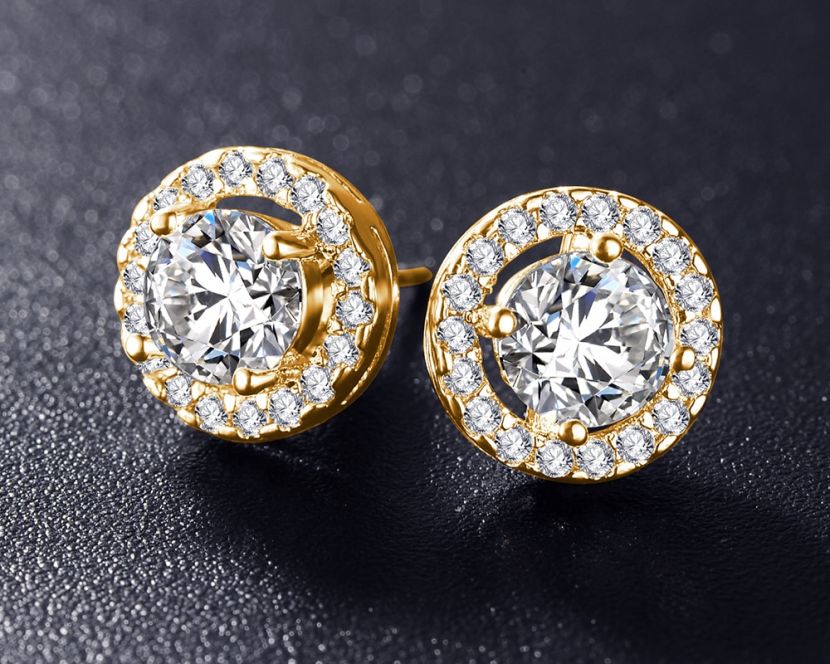
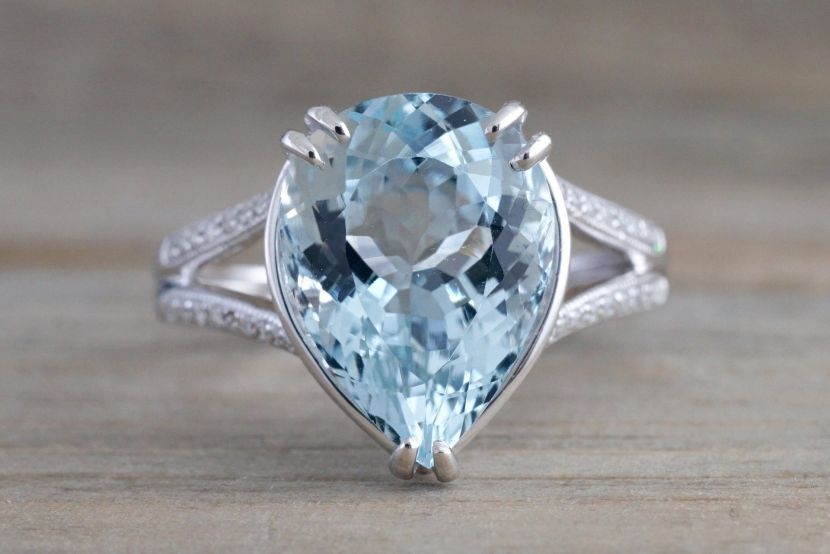
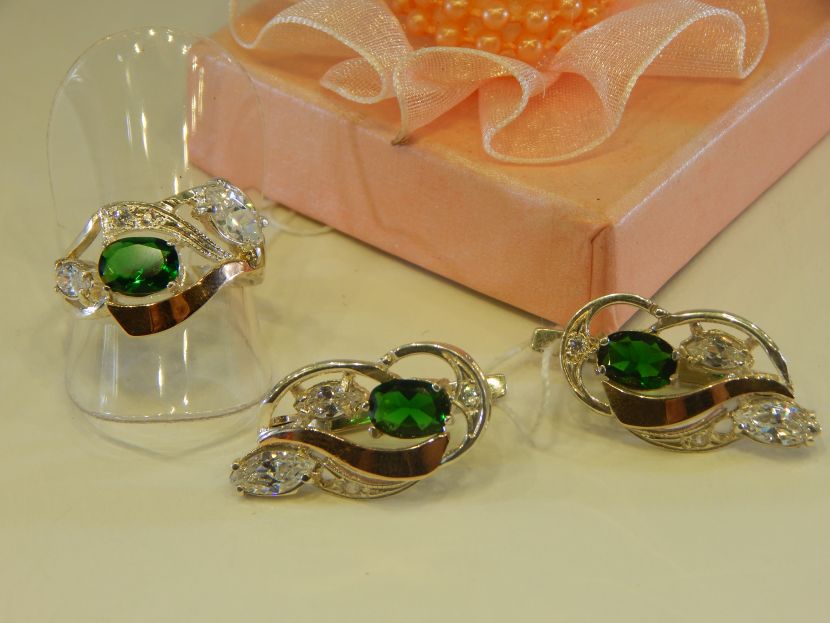
Fianite is not just a semi-precious stone - it is a child of science, it was created not by nature, but by man. Even if you look at the cubic zirconia stone in the photo, you can see how beautiful and bright it is. Its popularity is growing due to its low cost and similarity to natural counterparts.
Photo of Fianit stone